Top 5 Important Medical Tests You Must Do Before Marriage in Nigeria
0
(0)
Ireti and Obi met during their university days and fell deeply in love. They dated all through school and were thrilled when Obi proposed after graduation. The wedding was a lovely traditional affair with family and friends.
However, their marital bliss only lasted a few short years. Despite trying to conceive for some time, Ireti did not get pregnant. Extensive medical investigations revealed that Obi had very poor sperm quality while Ireti had blocked fallopian tubes – complications that can lead to infertility if not diagnosed and managed early.
If only they had undergone basic medical testing before their wedding day. Certain conditions like reproductive health issues, genetic diseases, infectious diseases, blood disorders, and chronic illnesses can significantly impact marriages and family planning if couples remain unaware of them.
While not commonly practiced in Nigeria currently, premarital medical testing is strongly advised. It empowers couples to understand health risks early, seek treatment options, and plan family life armed with informed medical perspectives.
Here are the top 5 medical tests couples should consider before taking the marital plunge:
1. Genetic Testing
Genetic disorders are conditions caused by abnormal changes in a person’s genes or chromosomes. Some examples include:
Sickle cell disease
Thalassemia
Tay-sachs disease
Cystic fibrosis
Spinal muscular atrophy
If you and your partner both carry genes for the same genetic disorder, there is a 25% chance that your offspring may inherit that disease. Specific populations have increased chances of being genetic carriers, such as sickle cell trait in those with African ancestry or thalassemia trait in those from Mediterranean, South Asian, or West African backgrounds.
Genetic carrier screening looks for gene mutations linked to serious inherited conditions you or your partner could pass on to children. Depending on family histories, doctors may recommend additional testing for diseases frequent in certain ethnic groups.
Identifying genetic risks early enables couples to undergo counseling, weigh reproductive options, and take preventive steps before conception. Management may involve using donor eggs or sperm, preimplantation genetic diagnosis with IVF, or adoption instead of having biological children. Knowing ahead of marriage empowers couples to make educated family planning choices.
2. Blood Testing
Blood tests look for conditions that can impact couples’ long-term wellbeing and ability to safely have children. Recommended screening includes:
Blood Type and Rh Status
If partners have incompatible blood types or Rh statuses, the woman’s body may produce antibodies against the fetus which can lead to potentially serious pregnancy or delivery complications. Understanding blood type compatibility allows couples to receive preventative care before and during pregnancy.
Anemia Screening
Anemia occurs when the blood lacks adequate healthy red blood cells or hemoglobin. Since anemia increases maternal-fetal health risks, women should be screened and treated appropriately before attempting conception.
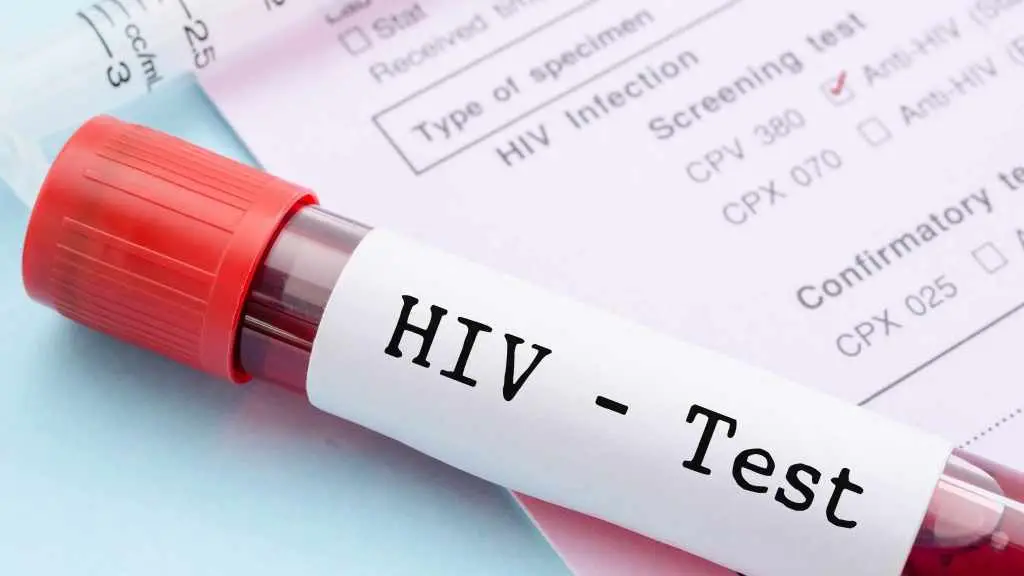
Screening tests for infectious diseases like hepatitis B and C, HIV, chlamydia, gonorrhea and syphilis are crucial. Positive results warrant counseling about transmission prevention and tailored prenatal care.
3. Fertility Assessments
Trouble conceiving represents about 40-50% of marital problems in Nigeria. Since peak fertility declines significantly with age, couples should evaluate their reproductive health proactively rather than waiting years down the line.
Basic fertility workups analyze various bodily indicators related to healthy conception and delivery, including:
Semen analysis (for men): Evaluates sperm count, morphology, motility, and other parameters tied to male fertility. Low sperm quality may require counseling about assisted reproductive treatments.
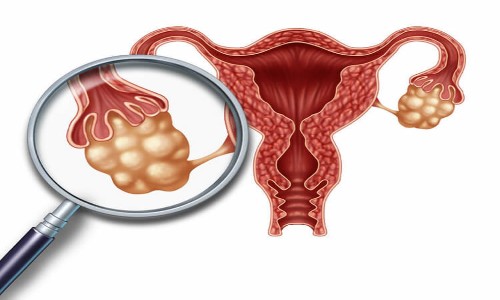
Ovulation screening (for women): Tracks hormone levels, ovarian reserve, and uterine structure which dictate ovulation cycles and egg viability. Results help time conception windows or reveal needs for interventions.
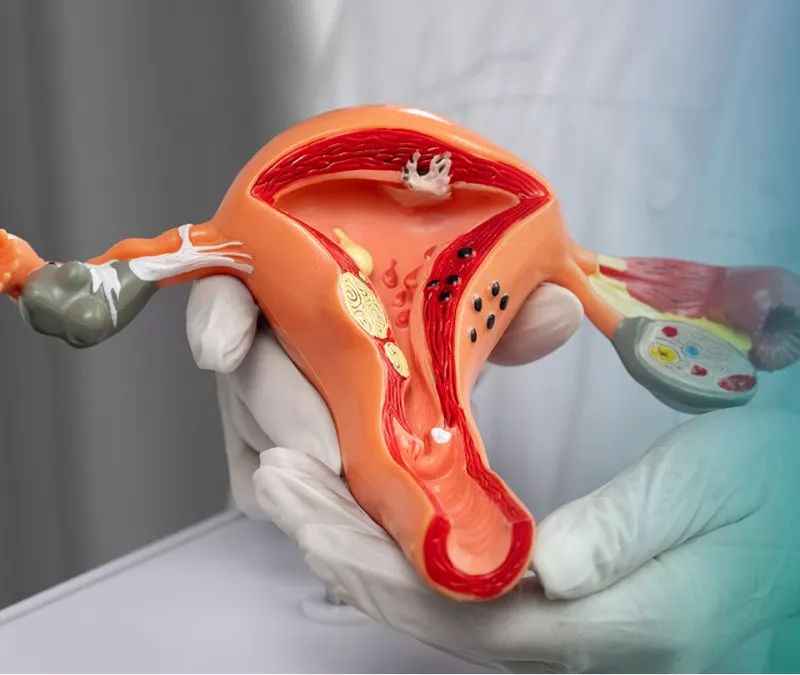
Pelvic exams (for women): Identifies structural abnormalities or infections involving uterus, ovaries or fallopian tubes which can hamper fertility. Certain conditions warrant antibiotics, hormones, IVF or surgery.
By outlining fertility potentials and risks in advance, tests light the way for timeline management, family balancing methods or fertility treatments well before difficulties grow pronounced. Testing too late often limits effective solutions, causes relationship stress, and leads couples down difficult roads. The sooner you know, the better for future family planning.
4. Chronic Disease Screening
Many couples share years or decades of life together after marriage. Getting ahead of potential long-term health issues allows for better preparedness and management. Vital chronic disease screens include:
Diabetes testing: Assesses blood sugar levels, diabetes genes, and insulin function. Diabetics can experience pregnancy complications or sexual health issues if untreated. Early detection enables lifestyle changes and medication to preserve health.
Heart disease: Screens for cholesterol levels, blood pressure abnormalities, or other cardiovascular red flags. Spouses stay vigilant of heart health together before symptoms manifest.
Cancer: Some doctors offer baseline screens (like pap smears, breast exams or colonoscopies) tied to common reproductive cancers. Testing establishes norms to enable early detection for better outcomes.
Though you can’t account for every health hiccup down the road, understanding inherited conditions and current disease risk factors allows newlyweds to share responsibilities and make medical game plans as a team.
5. Infectious Disease Testing
Certain dangerous infectious diseases transmit through sexual contact or other close interactions between couples. Getting ahead of potential infections keeps partners safe and informed.
Tuberculosis (TB): TB rarely shows symptoms in early stages, quietly attacking the lungs over months or years if left undetected. Testing enables early treatment before TB spreads through close contact.
Hepatitis B/C: Chronic hepatitis infections often show no signs but can lead to severe liver damage and even cancer. Premarital screening detects viruses early so medications can prevent transmission between spouses.
HIV: Doctors recommend HIV testing whenever starting new sexual relationships. Verifying negative statuses prevents fear or assumptions between partners if one later contracts HIV. Prompt treatment sustains health and virtually eliminates transmission risks in serodiscordant couples.
Though cultural stigma makes infectious disease testing uncomfortable for some couples, the devastating impacts positive results can have on marriages makes screening critically important. If needing treatment, both partners shoulder the challenges together rather than through blame or isolation after already being wed.
Other Notable Tests
While the above screens focus on common health threats impacting couples’ relationships, additional issues that increase during childbearing years may warrant testing too, like:
Thyroid dysfunction
Mental health conditions
Gestational diabetes risk
Group B Strep vaginal colonization
Medication management for preexisting conditions
Discuss all your unique health histories transparently with your betrothed and doctor. Any concerns related to hereditary conditions, medications, chronic health issues or prior diagnoses deserve investigation before tying the knot. Don’t let fear prevent you from revealing awkward truths – marriage means nurturing each other’s wellbeing in good times and bad.
In Closing
Consider premarital medical exams an investment into your family’s future, not just an extra pre-wedding to-do. Testing uncovers hereditary risks, diagnosable conditions requiring prompt attention, and fertility factors impacting family planning – issues easier to tackle before, not after, taking vows.
While conducting screens seems intrusive to some couples, viewing testing as an act of love and protection makes good sense. Just like your partner would willingly donate a kidney should you need one down the road, undergoing screens demonstrates commitment to handling health hiccups side-by-side now and for decades to come.
Here’s hoping medical testing sets all engaged couples on pathways to healthier unions, peaceful family building and marital bliss for years ahead! May you grow closer than ever before as you support each other through life’s many adventures together.