10 Air Crash Disasters in Nigeria That Shook The Aviation Industry
0
(0)
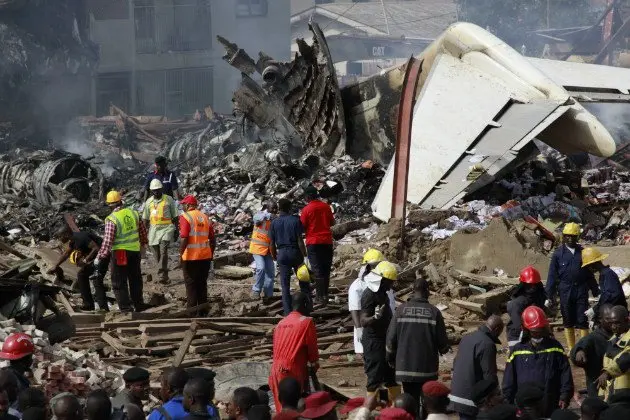
Nigeria’s aviation history has witnessed moments that are unforgettable, and deeply important for national record keeping. This compilation is presented not only for documentation purposes but also as a strong encouragement to continuously improve safety standards across the aviation industry. Every incidence listed here serves as a reminder that progress is possible when lessons are taken seriously and systems are strengthened with discipline and accountability. These events, though tragic, have contributed to reforms, better oversight, and a growing awareness of the need for top-tier aviation practices in Nigeria. By remembering these incidents, stakeholders can reinforce a culture where safety is not just a requirement but the foremost priority, ensuring that the skies become safer for future generations.
1. EAS Airlines Flight 4226
Date: 4 May 2002
Location: Gwammaja, Kano, Nigeria
Fatalities: 103
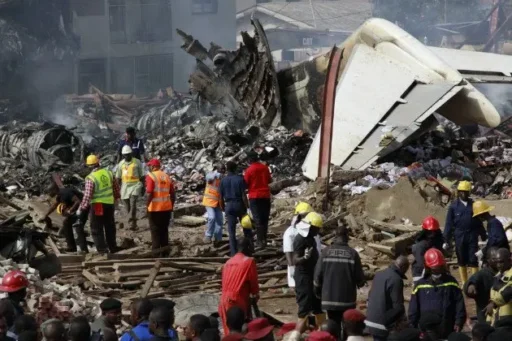
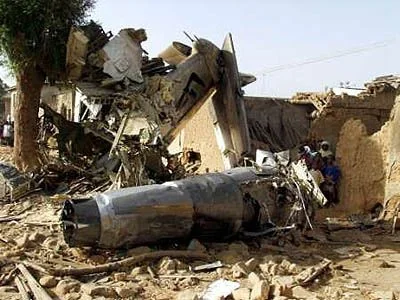
EAS Airlines Flight 4226 is remembered as one of the earliest major modern disasters that shook Nigeria’s aviation reputation and exposed the danger of poor operational judgment. The BAC One-Eleven crashed into the Gwammaja area near Kano after takeoff, killing 73 people on board and at least 30 people on the ground, according to the official accident report. That made it not just an airline crash but also a community disaster, with homes destroyed and entire families thrown into grief. The official findings pointed to the crew’s inability to safely complete the takeoff within the available runway length, while the report also revealed wider issues of oversight and unsafe practices in the system. It remains one of the best-recorded examples of why runway discipline, training, and supervision must always be treated as top priorities.
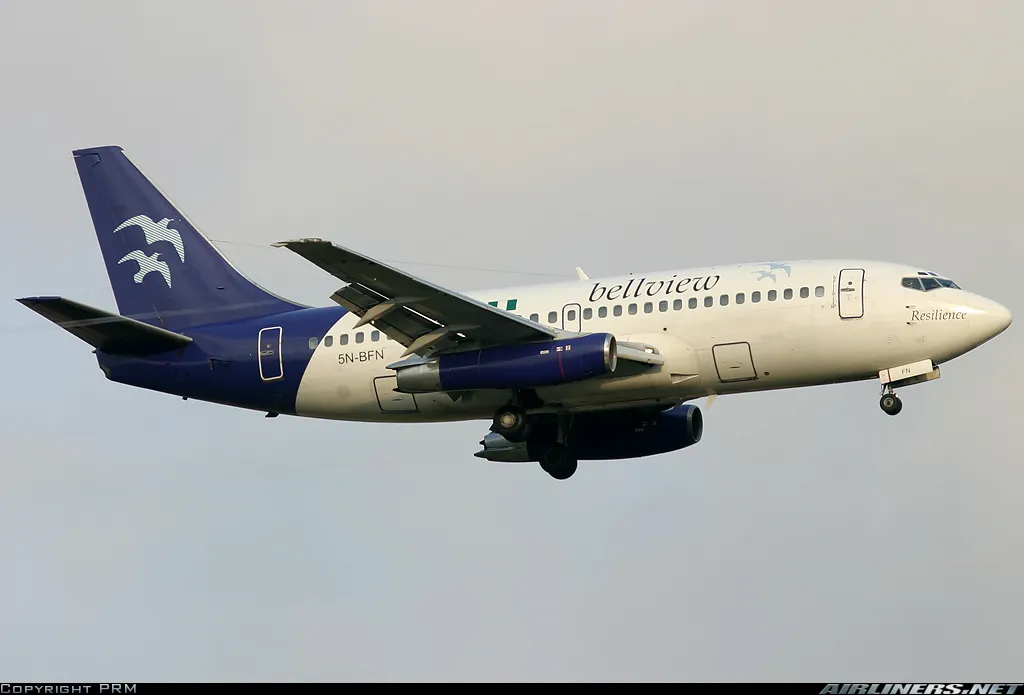
2. Bellview Airlines Flight 210
Date: 22 October 2005
Location: Lisa Village, Ogun State
Fatalities: 117
Bellview Airlines Flight 210 became one of the most shocking aviation tragedies in Nigeria’s history because the aircraft crashed shortly after takeoff and killed everyone on board. The Boeing 737-200 disappeared from radar after departing Lagos and later crashed near Lisa Village in Ogun State, leaving no survivors among the 117 occupants. Its loss created national panic because the crash happened at night and the aircraft was initially reported missing before the wreckage was found. The official Bellview report noted that the aircraft crashed while climbing to cruise altitude, and the broader investigation highlighted maintenance issues, poor oversight, and missing flight recorder data. This disaster remains one of the best-known reminders that the best safety culture is never built on assumptions, and that top-level compliance must be visible in every flight operation.
3. Sosoliso Airlines Flight 1145
Date: 10 December 2005
Location: Port Harcourt International Airport, Port Harcourt, Nigeria
Fatalities: 108
Sosoliso Airlines Flight 1145 is one of the most painful entries in Nigeria’s aviation record because it involved a crash during landing with heartbreaking consequences, including many schoolchildren returning home for the holidays. The aircraft encountered windshear during the approach to Port Harcourt and crashed at the airport, killing 108 people and leaving only two survivors. The incident struck a deep emotional chord across the country because it symbolized how vulnerable passengers become when weather conditions, approach decisions, and airport readiness do not align. he official investigation and later reports identified windshear, pilot error, and poor landing decision-making as central issues, while the tragedy also exposed weaknesses in airport rescue response and operational preparation. It stands among the best-known aviation lessons in Nigeria, and it remains a top reminder that weather awareness and crew judgment are not optional extras in safe aviation.
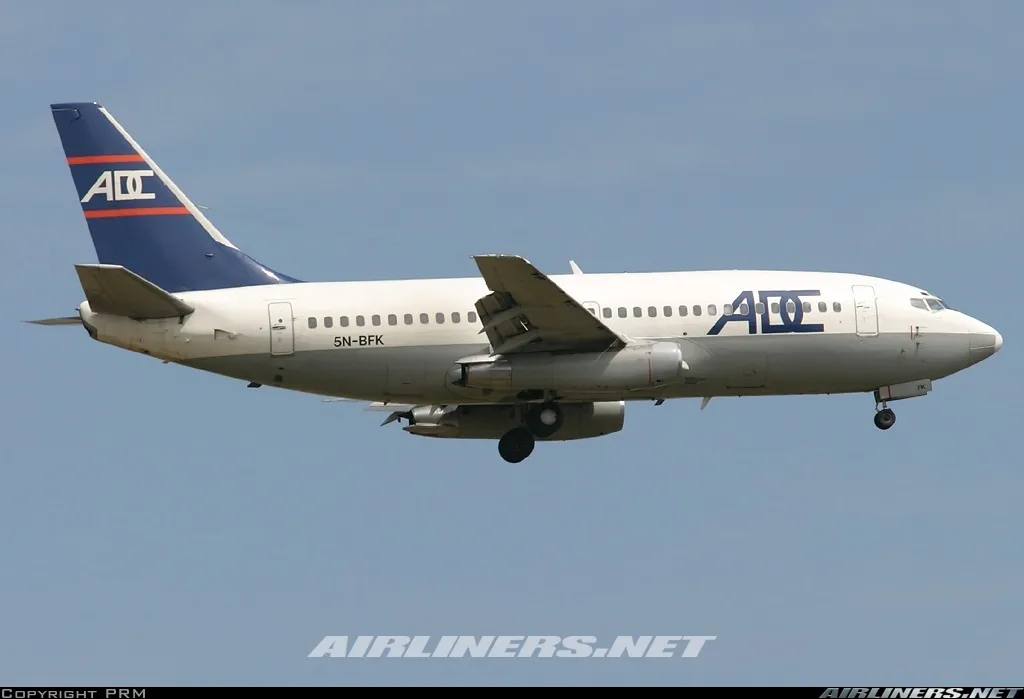
4. ADC Airlines Flight 053
Date: 29 October 2006
Location: Near Nnamdi Azikiwe International Airport, Abuja, Nigeria
Fatalities: 96
ADC Airlines Flight 053 became another national tragedy when the Boeing 737 crashed shortly after takeoff from Abuja in bad weather conditions. The aircraft encountered windshear soon after departure and went down near the airport, killing 96 of the 105 people on board. The accident was especially painful because prominent figures were among the victims, and the shock spread quickly through the country. The official investigation blamed the decision to take off in unsuitable weather and highlighted inadequate crew teamwork and poor windshear recovery training. This remains one of the best examples of why the aviation sector must keep training current, enforce standards firmly, and treat weather as a top safety factor rather than a background detail.
The Nigerian Air Force Dornier 228 crash is a reminder that military aviation disasters can be just as devastating and deserving of record-level attention as commercial crashes. The aircraft went down near Vande Ikya in Benue State, killing 13 of the 18 people on board. Incidents like this are often remembered less loudly than passenger airline tragedies, but they still reflect the same need for disciplined maintenance, route planning, and operational caution. Aviation records show that even a single military crash can expose serious gaps in search, survival, and emergency response capability. This was one of the best-known Nigerian Air Force losses of its time, and it remains a top example of why military aviation safety must receive the same serious oversight as commercial aviation.
6. Associated Aviation Flight 361
Date: 3 October 2013
Location: Murtala Muhammed Airport, Lagos, Nigeria
Fatalities: 16
Associated Aviation Flight 361 shocked Nigeria because it involved a charter flight carrying the body of former Ondo State Governor Olusegun Agagu and ended in a deadly takeoff crash in Lagos. The aircraft struggled to gain altitude after takeoff from Murtala Muhammed Airport and crashed, killing 16 people. The tragedy was especially upsetting because of the public nature of the flight and the emotional circumstances surrounding the journey. Reuters reported that 16 people were killed, and the accident record places the crash at Murtala Muhammed Airport in Lagos. The event is one of the best modern reminders that even a short domestic hop can become fatal when performance, configuration, or operational judgment breaks down; it is also a top warning that no takeoff should ever be rushed.
7. Dana Air Flight 992
Date: 3 June 2012
Location: Iju-Ishaga, Lagos, Nigeria
Fatalities: 159
Dana Air Flight 992 became one of the most devastating aviation disasters in Nigerian memory because it crashed into a densely populated area near Lagos and killed everyone on board, along with people on the ground. The official updated accident report recorded 153 fatalities on the aircraft and 6 confirmed ground fatalities, for a total of 159 deaths. The crash drew intense national attention because it involved a modern commercial jet, a crowded urban area, and a final approach that ended in catastrophe. The official findings pointed to loss of power on both engines, and investigators linked the accident to incorrect assembly that interrupted fuel delivery, along with poor decision-making during the emergency. This remains one of the best-documented Nigerian air crashes, and it is also one of the top reminders that maintenance quality and cockpit response must be held to the highest standard.
8. Nigerian Navy Helicopter Crash
Date: 15 December 2012
Location: Bayelsa State, Nigeria
Fatalities: 6
The Nigerian Navy helicopter crash in Bayelsa State is remembered not only for the loss of life but also for the public figures who died in the accident. Reuters reported that six people were killed when the helicopter went down in Bayelsa State, including the governor of Kaduna State and a former national security adviser. The crash added another painful layer to Nigeria’s aviation record because it involved a helicopter on an official mission and ended in a state-level tragedy. The answer is that aviation safety must cover helicopters, fixed-wing aircraft, passenger routes, and VIP movement with equal seriousness. This was one of the best-known helicopter disasters in Nigeria, and it remains a top cautionary case about decision-making, weather, route planning, and operational readiness.
The Nigerian Air Force C-130 Hercules crash of 1992 remains one of the darkest moments in Nigeria’s aviation history because it killed all 159 people on board. The aircraft crashed shortly after taking off from Lagos, and the loss became one of the deadliest C-130 disasters ever recorded. This tragedy is still discussed decades later because it exposed how catastrophic technical failure can become when a heavily loaded aircraft loses power after takeoff. It strengthens oversight, investigates carefully, and treats every abnormal sign as a top priority before departure. The accident remains one of the best-known military aviation disasters in the country and a superior reminder that weight, engine reliability, and takeoff performance must be watched with the highest discipline.
10. Nigerian Air Force Alpha Jet Crash
Date: 31 March 2021
Location: Maiduguri, Borno State, Nigeria
Fatalities: 2
The Nigerian Air Force Alpha Jet crash in Maiduguri showed that even modern military aircraft can vanish in active operations and leave a nation searching for answers. Aviation Safety Network records the crash at Maiduguri with two fatalities out of two occupants, while the Nigerian Air Force confirmed that the aircraft lost radar contact in Borno State. The loss mattered because it happened during military operations and reminded the public that safety pressure remains high even outside commercial aviation. One answer is strict discipline in planning, maintenance, communication, and risk management, because the best military aviation systems are those that preserve lives while achieving their objectives. This incident stands as one of the top recent military air disasters linked to Nigeria and a strong reminder that every flight mode deserves a safety-first culture.
Conclusion
These 10 air disasters shook Nigeria in different ways, but they all point to the same hard truth: aviation safety is never built on luck. The official reports and major news accounts show a repeating pattern of maintenance issues, weather hazards, poor coordination, runway problems, and operational decisions that did not meet the moment. Taken together, they offer some of the best lessons Nigeria has ever received about protecting lives in the air and on the ground. If there is one top message from these tragedies, it is that safety must remain the first rule, the best investment, and the most serious responsibility in every aviation system. For record purposes and for the future of the industry, these incidents should be remembered not for the pain they caused alone, but for the stronger standards they must continue to inspire.