5 Red Flags That Reveal Your Online Date Is a Scammer
0
(0)
In the digital age, finding love online has become increasingly common. However, with this convenience comes the risk of encountering scammers who prey on unsuspecting individuals looking for genuine connections. To help you navigate the treacherous waters of online dating, we’ve compiled a list of the top 5 red flags that can help you detect if you’re dating a scammer online. By familiarizing yourself with these warning signs, you’ll be better equipped to protect your heart, your personal information, and your finances.
1. They’re Quick to Profess Strong Feelings
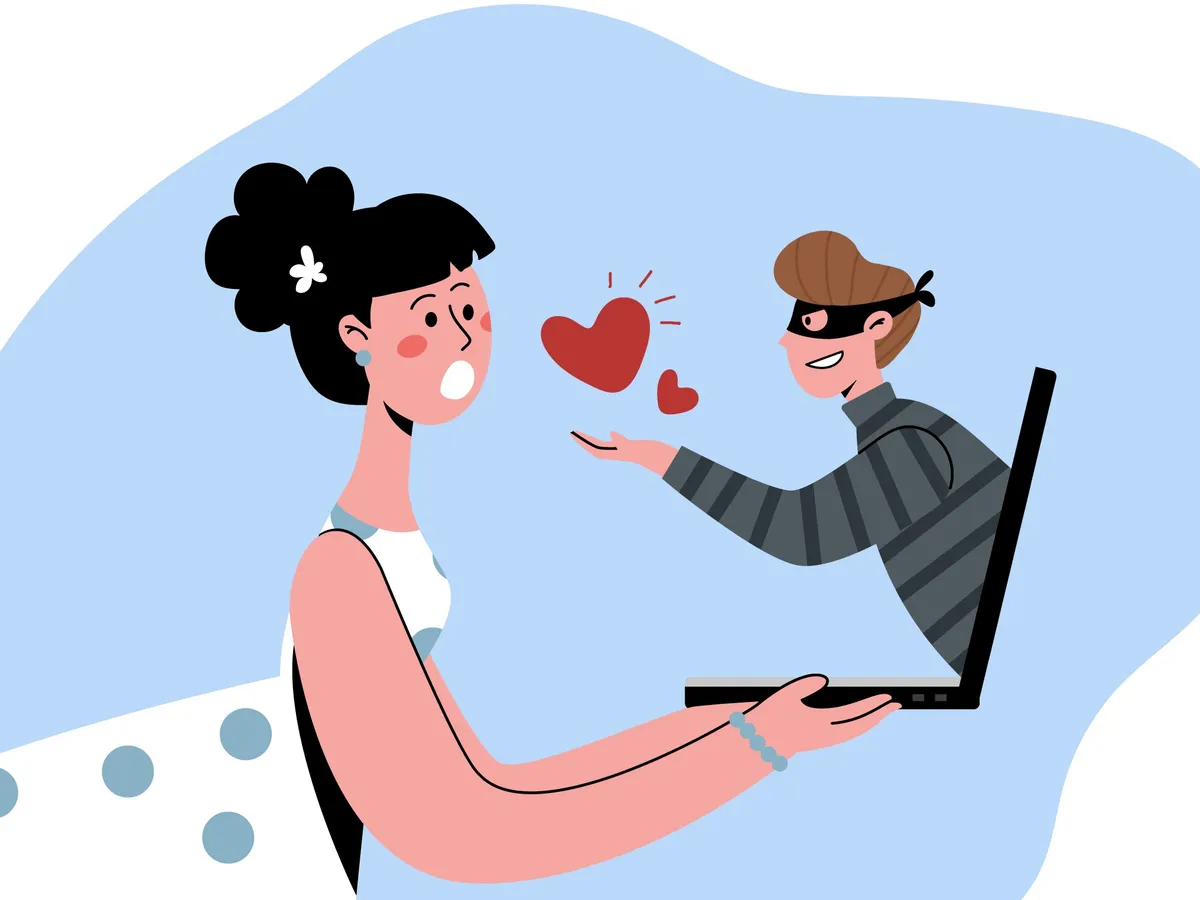
One of the most glaring red flags in online dating scams is the rapid escalation of emotions. Scammers often employ a tactic known as “love bombing,” where they shower their targets with excessive affection and declarations of love within a remarkably short period. This whirlwind romance may seem exciting at first, but it’s often a calculated move to manipulate your emotions and cloud your judgment.
Legitimate relationships typically develop gradually, with both parties taking time to get to know each other and build trust. If your online match is professing undying love after just a few interactions, it’s time to pause and reassess the situation. Scammers use this technique to create a false sense of intimacy, making you more likely to let your guard down and comply with their future requests.
Be particularly wary if these declarations of love are accompanied by grandiose promises about your future together. Scammers might paint a picture of a perfect life, complete with marriage proposals, dream homes, and exotic vacations – all before you’ve even met in person. While it’s natural to hope for a bright future with a potential partner, such rapid progression should set off alarm bells.
2. Their Profile Seems Too Good to Be True
In the world of online dating, first impressions matter, and scammers know this all too well. They often create profiles that seem almost too perfect, designed to catch your eye and pique your interest. While it’s certainly possible to encounter genuinely impressive individuals online, an overly polished profile should make you approach with caution.
Pay close attention to the photos used in the profile. Scammers frequently use stolen images of attractive models or actors, or they might use heavily edited photos that don’t reflect reality. If the person looks like they’ve stepped out of a magazine spread, it’s worth doing a reverse image search to see if the pictures appear elsewhere on the internet.
Beyond the visuals, scrutinize the written content of their profile. Scammers often craft backstories that are designed to elicit sympathy or admiration. They might claim to be successful entrepreneurs, military personnel on deployment, or aid workers in remote locations. While these professions are legitimate, they’re also convenient covers for explaining why the person can’t meet in person or why they might need financial assistance in the future.
Look for inconsistencies in their story or profile information. Does their level of education match their writing style? Do their claimed professional achievements align with their apparent age? If things don’t add up, trust your instincts and proceed with caution.
3. They Avoid Video Calls or In-Person Meetings
In today’s technology-driven world, there’s no shortage of ways to connect face-to-face, even when physically apart. Video calling platforms like Skype, Zoom, and FaceTime have made it easier than ever to see and hear the person you’re talking to in real-time. If your online match consistently avoids video calls or makes excuses not to meet in person, this should be a major red flag.
Scammers will go to great lengths to avoid real-time visual communication because it would expose their true identity. They might claim that their camera is broken, that they have poor internet connection, or that they’re too shy for video calls. While these excuses might seem plausible at first, repeated avoidance of video interaction is a clear warning sign.
When it comes to in-person meetings, scammers often have elaborate excuses for why they can’t meet. They might claim to be working overseas, serving in the military, or dealing with a family emergency. While legitimate reasons for delaying a meeting can exist, be wary if your online match continually postpones or cancels planned meet-ups.
If you’ve been communicating for a significant period and have never seen the person in real-time or met them in person, it’s crucial to question why. A genuine person interested in building a relationship will typically be eager to progress from online chats to more personal forms of communication.
4. They Ask for Money or Financial Information
Perhaps the most obvious and dangerous red flag in online dating scams is any request for money or sensitive financial information. Scammers invest time and effort into building trust with their targets, often waiting until they believe you’re emotionally invested before making their move. When they do ask for money, they usually have a compelling story to accompany their request.
Common scenarios include:
Medical emergencies: The scammer or a family member suddenly falls ill and needs money for treatment.
Travel expenses: They claim they need funds to visit you but can’t afford the trip.
Business opportunities: They present an investment opportunity that sounds too good to pass up.
Personal crises: Stories of job loss, eviction, or other financial hardships that require immediate assistance.
It’s crucial to remember that legitimate romantic interests will rarely, if ever, ask for money, especially early in a relationship. If your online match requests financial assistance, no matter how dire the circumstances may seem, this is a clear indication that you’re likely dealing with a scammer.
Be equally cautious if they ask for your financial information, such as bank account details or credit card numbers. Scammers may claim they want to send you money or set up a joint account, but in reality, they’re looking to gain access to your funds or commit identity theft.
Remember, once you send money to a scammer, it’s usually impossible to recover. If you’re ever in doubt, consult with a trusted friend, family member, or financial advisor before making any financial decisions based on an online relationship.
5. Their Communication Patterns Are Inconsistent or Manipulative
Pay close attention to how your online match communicates with you. Scammers often display inconsistent or manipulative communication patterns that can serve as red flags if you know what to look for.
One common tactic is the use of scripted or generic messages. If the person’s responses seem vague, could apply to anyone, or don’t directly address points you’ve made, they might be using pre-written scripts. Scammers often juggle multiple targets at once, making it difficult to keep track of individual conversations. Look for repetitive phrases, abrupt topic changes, or responses that don’t quite fit the context of your messages.
Another red flag is love-bombing interspersed with guilt-tripping. A scammer might shower you with affection and compliments one moment, then make you feel guilty for questioning their intentions or not trusting them completely the next. This emotional manipulation is designed to keep you off-balance and more likely to comply with their wishes.
Be wary of someone who seems to be rushing the relationship or pressuring you to make commitments before you’re ready. Scammers often try to create a sense of urgency, whether it’s pushing for an exclusive relationship, discussing marriage, or asking you to make important decisions quickly. They may claim that their feelings are so strong that they can’t bear to wait, but in reality, they’re trying to lock you in before you have time to spot the inconsistencies in their story.
Pay attention to the timing and frequency of their messages as well. While it’s normal for communication patterns to vary somewhat, drastic changes could be a red flag. For instance, if someone who usually messages you throughout the day suddenly becomes unreachable for extended periods, it could indicate they’re juggling multiple scams or that their story is starting to unravel.
Lastly, be cautious of individuals who become defensive or aggressive when you ask reasonable questions about their background or try to verify their identity. A genuine person should understand your need for caution in online dating and be willing to provide reassurance. If your match reacts with anger, accusations of mistrust, or attempts to make you feel guilty for asking questions, this is a strong indicator that they may have something to hide.
Conclusion: Staying Safe in the World of Online Dating
While these five red flags are crucial indicators of potential online dating scams, they’re not the only signs to watch out for. Other warning signals include:
Inconsistent personal details: Pay attention to discrepancies in their stories about their background, family, or work.
Poorly written profiles or messages: Many scammers operate from non-English speaking countries and may use awkward phrasing or make frequent grammatical errors.
Requests for intimate photos or videos: These can be used for blackmail or to create fake profiles to scam others.
Refusal to provide social media profiles: While privacy is important, a complete absence from social media can be suspicious in today’s connected world.
Pressure to move communication off the dating site: Scammers often try to move conversations to less secure platforms where their activities are harder to track.
Remember, protecting yourself from online dating scams doesn’t mean you have to approach every interaction with suspicion. Many genuine people are looking for real connections online. The key is to maintain a healthy balance of openness and caution.
Take your time getting to know someone before investing emotionally or financially in the relationship. Trust your instincts – if something feels off, it probably is. Don’t be afraid to ask questions and seek verification of the person’s identity. A genuine individual will understand your need for caution and be willing to earn your trust gradually.
If you suspect you’re dealing with a scammer, report them to the dating platform immediately. This helps protect not only yourself but also other potential victims. Consider reaching out to organizations like the Federal Trade Commission (FTC) or your local law enforcement if you’ve been the victim of a scam.
Online dating can be a wonderful way to meet new people and potentially find a meaningful relationship. By staying informed about the tactics scammers use and remaining vigilant for these red flags, you can navigate the digital dating landscape with confidence. Remember, your safety and well-being should always be your top priority. Trust your judgment, take things slow, and don’t be afraid to walk away if something doesn’t feel right. With awareness and caution, you can enjoy the benefits of online dating while protecting yourself from those who would take advantage of your search for connection.