Don’t Be a Victim: Top 5 Online Scams to Watch Out For in 2026
0
(0)
As technology continues to evolve, so do the tactics employed by cybercriminals. In 2026, online scams are expected to become even more sophisticated, exploiting the latest advancements in artificial intelligence, social engineering, and data manipulation. To stay one step ahead, it’s crucial to equip yourself with knowledge and awareness about the most prevalent online scams lurking in the digital shadows. In this article, we’ll explore the top five online scams that pose the greatest threat in 2024, arming you with the necessary information to protect yourself and your assets.
1. Deepfake Impersonation Scams
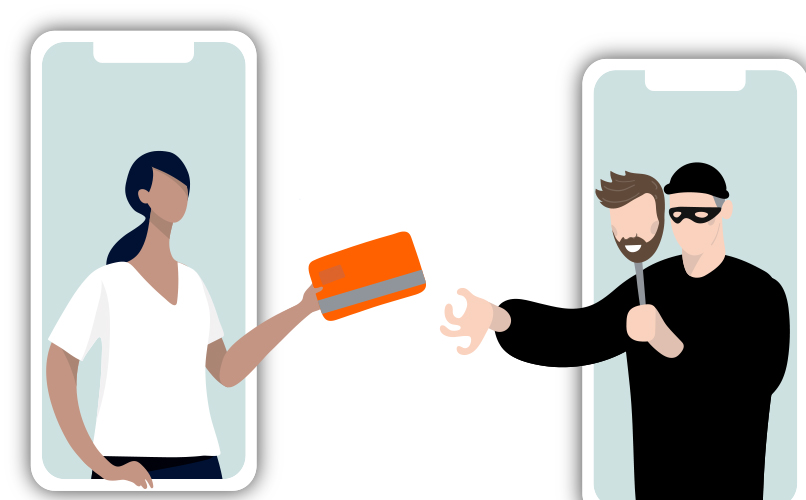
The rise of deepfake technology has opened up a new frontier for scammers. Deepfakes involve the use of artificial intelligence to create highly realistic fake videos or audio clips that can convincingly impersonate individuals. In 2024, scammers may exploit this technology to impersonate high-profile executives, celebrities, or even family members, tricking victims into transferring money, divulging sensitive information, or engaging in other nefarious activities.
One potential scenario is a deepfake video of a CEO instructing employees to wire funds to a fraudulent account. Another alarming possibility is a deepfake audio clip of a loved one pleading for financial assistance in an emergency situation. These scams prey on our trust and emotional vulnerabilities, making them particularly insidious.
To protect yourself, it’s essential to verify the authenticity of any communication requesting sensitive information or financial transactions, even if it appears to be from a trusted source. Cross-check the request through multiple channels and be wary of any urgency or pressure tactics.
2. Cryptocurrency Investment Scams
As cryptocurrencies continue to gain mainstream adoption, scammers are capitalizing on the hype and the general public’s limited understanding of this complex technology. In 2024, cryptocurrency investment scams are expected to proliferate, luring unsuspecting victims with promises of astronomical returns on their investments.
These scams often involve elaborate websites, professional-looking marketing materials, and even fake endorsements from celebrities or financial experts. Scammers may also use social media platforms and online forums to promote their fraudulent schemes, targeting individuals interested in cryptocurrency trading.
To avoid falling victim, it’s crucial to thoroughly research any investment opportunity and verify the legitimacy of the platform or individuals involved. Be wary of guarantees of high returns with minimal risk, as these are often telltale signs of a scam. Additionally, consult with reputable financial advisors and only invest through regulated and licensed platforms.
3. Charity Scams
In times of crisis or natural disasters, scammers often exploit the generosity and goodwill of people by setting up fake charities to solicit donations. As the world grapples with various challenges in 2024, such as the ongoing effects of the COVID-19 pandemic, climate-related disasters, and conflicts, charity scams are likely to become more prevalent.
These scams may involve fraudulent websites, social media campaigns, or even door-to-door solicitations. Scammers may use emotional appeals, fabricated stories, and a sense of urgency to persuade victims to donate.
To protect yourself, always verify the legitimacy of any charity organization before making a donation. Cross-check their credentials with reputable charity monitoring organizations, such as Charity Navigator or GuideStar. Additionally, be wary of unsolicited requests for donations, especially those that demand immediate action or use high-pressure tactics.
4. Phishing Scams
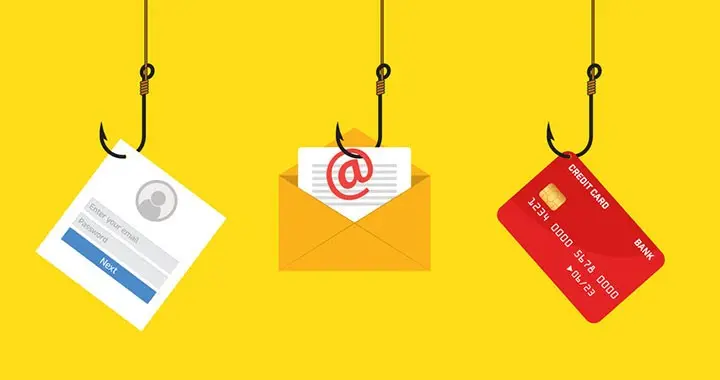
Phishing scams have been around for decades, but they continue to evolve and remain a significant threat in 2024. These scams involve the use of fraudulent emails, websites, or messages that masquerade as legitimate organizations or entities, tricking victims into divulging sensitive information, such as login credentials, financial data, or personal details.
In 2024, phishing scams are expected to become more targeted and personalized, leveraging data obtained from previous breaches or social media profiles to create highly convincing communications. Scammers may also exploit current events, such as the COVID-19 pandemic or political developments, to add a sense of urgency and credibility to their phishing attempts.
To protect yourself, it’s essential to exercise caution when receiving unsolicited communications, especially those requesting personal or financial information. Always verify the authenticity of the source by checking the sender’s email address, reviewing the website’s URL for inconsistencies, and contacting the organization through official channels. Additionally, keep your software and antivirus programs up-to-date to detect and block known phishing threats.
5. Romance Scams
As online dating and social media interactions continue to flourish, romance scams are expected to become increasingly prevalent in 2024. These scams involve scammers creating fake online personas and engaging in elaborate deceptions to develop emotional connections with their victims. Over time, the scammers may request money for various fabricated emergencies or investment opportunities, exploiting the trust and emotional vulnerability of their victims.
In 2024, romance scams may leverage advanced technologies, such as deepfakes or AI-generated profiles, to create more convincing and long-lasting deceptions. Scammers may also utilize social media platforms and dating apps to target a wider range of potential victims.
To protect yourself, it’s crucial to exercise caution when engaging with individuals online, especially if the relationship progresses rapidly or involves requests for financial assistance or personal information. Verify the individual’s identity through multiple channels, be wary of inconsistencies in their stories or online presence, and never send money or sensitive information to someone you haven’t met in person.
Notable Other Online Scams to Watch Out For
While the five scams discussed in this article are expected to be among the most prevalent and dangerous in 2024, there are several other online scams that individuals and businesses should be aware of:
Tech Support Scams: Fraudsters posing as legitimate tech support companies claim to fix non-existent issues on your devices, often gaining remote access and installing malware. Social Media Scams: These include fake quizzes, fraudulent friend requests, and sponsored ads that lead to phishing sites or malware downloads. Robocall Scams: Automated calls pretending to be from government agencies or companies, requesting personal information or payments. Online Shopping Scams: Fake online stores that take payment but never deliver products, or sell counterfeit or inferior goods. Rental Scams: Fraudsters post fake rental listings to collect deposits or personal information from prospective tenants. Lottery Scams: Unsolicited messages claiming you’ve won a lottery you never entered, requesting payment for processing fees or taxes.
Staying informed about the latest online scams, verifying the legitimacy of online interactions, and exercising caution when sharing personal or financial information can help you navigate the digital landscape safely and securely.
Conclusion
As the digital landscape continues to evolve, staying vigilant and informed is crucial to protecting yourself from online scams. While the scams highlighted in this article – deepfake impersonation, cryptocurrency investment, charity, phishing, and romance scams – are expected to be among the most dangerous in 2024, it’s important to note that new and innovative forms of online fraud are constantly emerging.
To stay ahead of the curve, consider subscribing to reputable cybersecurity newsletters, following trusted online safety resources, and regularly updating your knowledge on the latest scam tactics. Additionally, be proactive in securing your online accounts with strong, unique passwords, enabling two-factor authentication, and being cautious when sharing personal information online.
By remaining vigilant and prioritizing online safety, you can significantly reduce your risk of falling victim to these insidious scams and enjoy the benefits of the digital world with peace of mind.