5 Alarming Signs Your Online Romance Is a Costly Scam
0
(0)
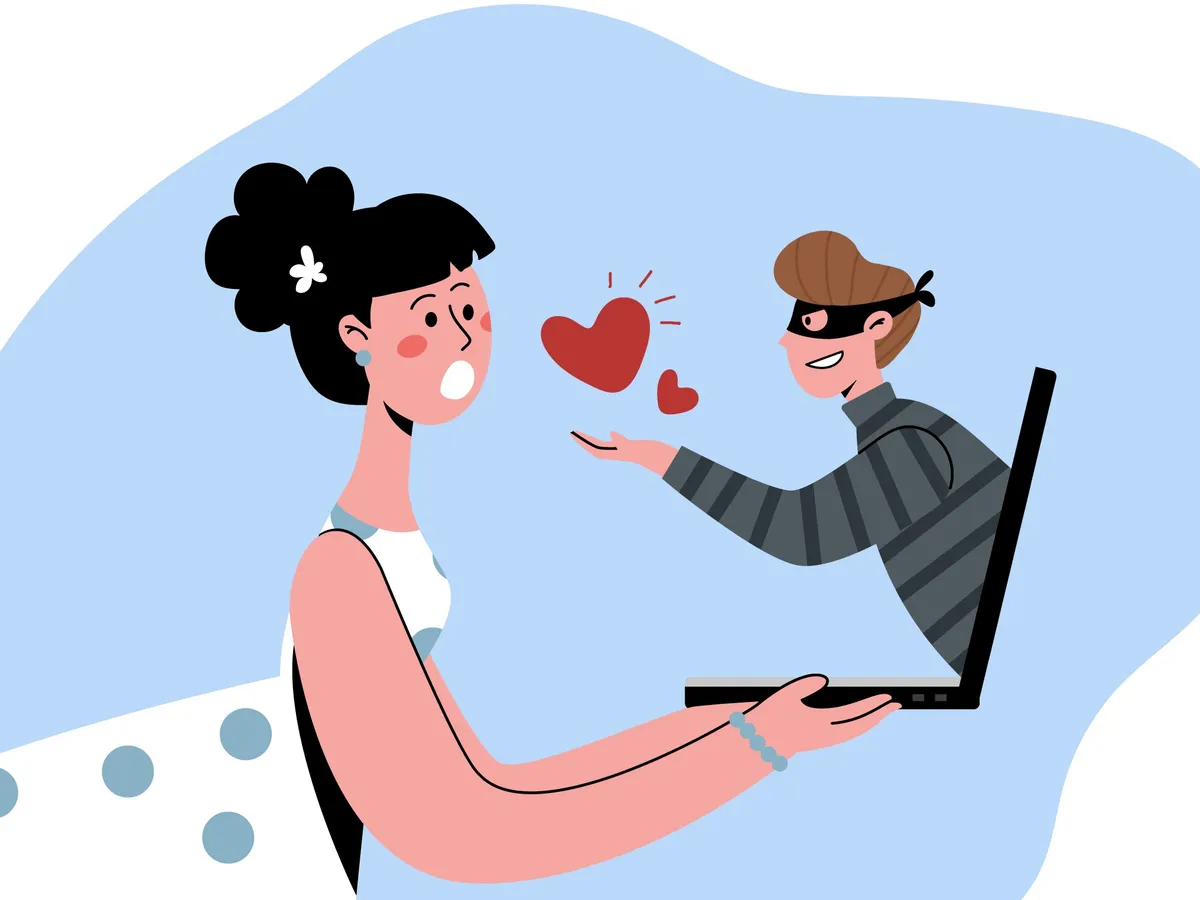
Sarah’s heart raced as she opened her whatsapp App . Another message from David, her charming online boyfriend of three months. They’d never met in person, but Sarah felt a deep connection. David’s words were always so thoughtful, his compliments making her blush. But as she read his latest message, a chill ran down her spine. David was in trouble and needed money – fast. He promised to pay her back, of course. Sarah hesitated, her finger hovering over the “Send Money” button. Was this love, or something more sinister?
Online romance scams are more common than you might think. In 2020 alone, victims lost a staggering $304 million to these heartless fraudsters. The emotional toll can be even more devastating than the financial one. But how can you tell if your online love interest is genuine or just after your money? Here are five red flags to watch out for:
1. They’re Quick to Profess Their Love
Imagine meeting someone online and within days or weeks, they’re declaring their undying love for you. It sounds romantic, doesn’t it? Like something out of a fairy tale. But in reality, this is often one of the first signs that you’re dealing with a scammer, not a genuine romantic interest.
Authentic relationships take time to develop. Trust, emotional intimacy, and love are built gradually through shared experiences and getting to know each other deeply. Scammers, on the other hand, want to fast-track this process. They’ll shower you with attention, compliments, and declarations of love almost immediately. Their goal is to create a false sense of intimacy and connection as quickly as possible.
Why the rush? The faster they can make you feel emotionally invested, the sooner they can start asking for money or personal information. They know that once you believe you’re in love, you’re more likely to overlook red flags and make decisions based on emotion rather than logic. Be wary of anyone who seems to be pushing for a serious relationship at an unnaturally rapid pace.
2. Their Profile Seems Too Good to Be True
When you come across a profile that seems perfect in every way, it’s natural to feel excited. But if it seems too good to be true, it probably is. Scammers often create idealized personas designed to appeal to a wide range of potential victims.
Look out for profiles featuring model-like photos, claims of financial success, and descriptions that read like a wish list of desirable traits. While genuine people might have some of these qualities, scammers tend to pile them on. They might claim to be a wealthy businessman, a successful doctor, or a model who also volunteers at animal shelters in their spare time.
Another red flag is inconsistency. Pay attention to the details they share about their life. Do their stories add up? Are there contradictions in the information they provide over time? Genuine people have flaws and complexities. If your online love interest seems too perfect or their background doesn’t quite make sense, it’s time to be cautious.
3. They Always Have a Reason Not to Meet
In the world of online dating, the ultimate goal is usually to meet in person. After all, that’s how you truly get to know someone and determine if there’s real chemistry. But what if your online love interest always has a reason why they can’t meet?
Scammers will go to great lengths to avoid face-to-face encounters. They might claim to be working overseas, serving in the military, or dealing with a family emergency. Each time you suggest meeting, they’ll have a new excuse. These excuses often involve dramatic stories designed to elicit sympathy and prevent you from pushing the issue.
Claiming to be on a long-term work assignment in a foreign country
Saying they’re serving in the military and deployed overseas
Telling you they’re dealing with a serious illness or family emergency
Insisting they want to meet but need money for travel expenses
If months go by and your online love interest always has a reason why they can’t meet in person, it’s a major red flag. Genuine people who are interested in a real relationship will make an effort to meet, even if it takes some time to arrange.
Remember, video calls can also be deceiving. Scammers may use pre-recorded videos or even hire actors to maintain their façade. While video chatting is better than no visual contact at all, it’s not a substitute for meeting in person.
4. They Ask for Money or Sensitive Information
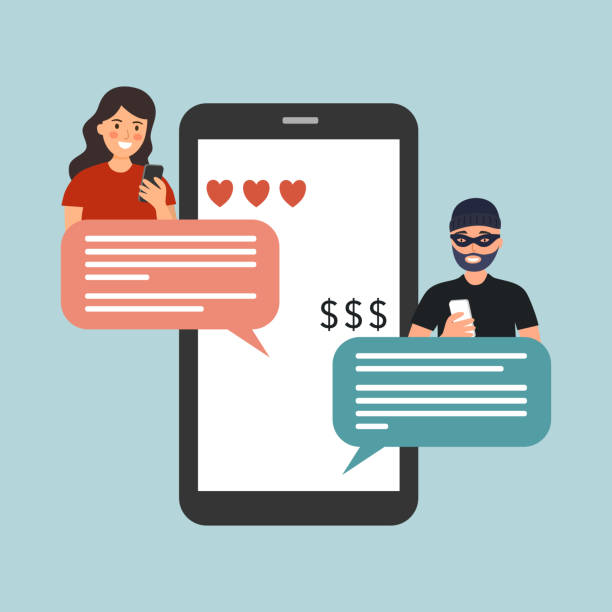
Perhaps the most obvious sign that your online romance is actually a scam is when your love interest starts asking for money or sensitive personal information. This is typically the endgame for romance scammers – separating you from your hard-earned cash or stealing your identity.
These requests often start small and seem reasonable. They might ask for help with a minor expense, like a phone bill or a small loan. If you comply, the requests will escalate. Suddenly, they need money for a medical emergency, to pay off debts, or to buy a plane ticket to visit you. They may even claim they’ve inherited a large sum of money but need your help to access it.
Some common scenarios include:
Claiming they need money for visa and travel expenses to visit you
Telling you they’ve been in an accident and need help with medical bills
Saying they need to pay off debts to access an inheritance
Asking for your bank account details to deposit money (which they never do)
Remember, legitimate romantic partners don’t ask for money, especially not early in a relationship. They also won’t need your sensitive personal information like your Social Security number or bank account details.
These methods are often preferred by scammers because they’re difficult to trace and nearly impossible to reverse once the transaction is complete.
If your online love interest starts asking for financial help or sensitive information, it’s time to step back and reassess the relationship. No matter how convincing their story might be, remember that genuine love doesn’t come with a price tag.
5. They Pressure You to Move Communication Off the Dating Site
When you first connect with someone on a dating site or app, it’s natural to want to move the conversation to a more personal platform as you get to know each other better. However, if your online love interest is pushing hard to move your communications off the dating site very quickly, it could be a red flag.
Reputable dating sites often have systems in place to detect and prevent scammers. They may monitor messages for suspicious content or patterns associated with known scams. By moving conversations off these platforms, scammers can avoid detection and have more freedom to manipulate their victims.
Insisting on moving to email or instant messaging apps within a day or two of initial contact
Claiming their dating site subscription is about to expire and they don’t want to lose touch with you
Saying they’re not often on the dating site and prefer to chat elsewhere
Once they’ve moved you to a different platform, scammers have more control over the conversation. They can send links to malicious websites, share files containing malware, or simply communicate without the risk of being reported to the dating site.
Moreover, by getting you to communicate outside the dating platform, they’re isolating you from the safety measures and advice these sites often provide. You lose the ability to easily report suspicious behavior, and you may be less likely to seek help or second opinions from friends or family.
While it’s normal to eventually move conversations off dating sites as a relationship progresses, be wary of anyone who’s eager to do so immediately. A genuine person will understand if you want to keep communications on the dating platform until you feel more comfortable.
Conclusion:
As Sarah stared at her screen, her finger still hovering over the “Send Money” button, she remembered an article she’d read about online romance scams. The red flags were all there – the whirlwind romance, the constant excuses not to meet, and now the request for money. With a heavy heart, she closed the app and blocked David’s account. It hurt, but she knew she’d dodged a bullet.
Online romance scams can be devastating, both emotionally and financially. By being aware of these five warning signs, you can protect yourself from falling victim to these heartless fraudsters. Remember, genuine love doesn’t ask for money or make constant excuses. It’s patient, consistent, and respects your boundaries.
If you suspect you’re being scammed, don’t be embarrassed to reach out for help. Contact your local authorities, report the scammer to the dating site, and consider reaching out to organizations like Romance Scams.org or the FBI’s Internet Crime Complaint Center (IC3).
Notable others who have spoken out about online romance scams include Dr. Phil McGraw, who has featured several victims on his show to raise awareness, and Debby Montgomery Johnson, a former online romance scam victim who now advocates for others. Their stories serve as powerful reminders of the importance of staying vigilant in the world of online dating.
Remember, protecting your heart often means protecting your wallet too. Stay safe out there in the digital dating world!