Top 5 Health Benefits of Millet Everyone Should Know
0
(0)
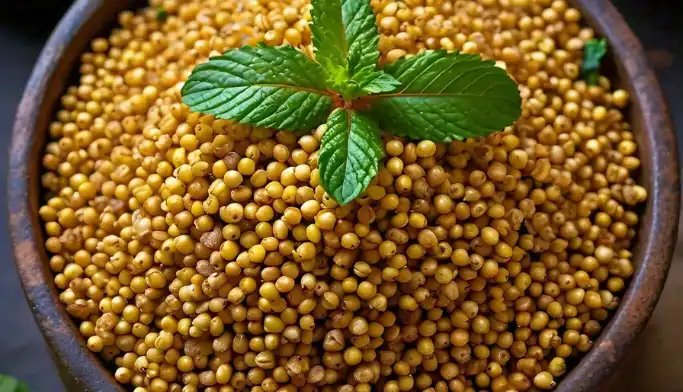
Have you ever wondered why some traditional grains have stood the test of time despite modern dietary changes? Millet, an ancient grain packed with essential nutrients, remains one of Nigeria’s most valuable yet underrated food staples. Known for its resilience and adaptability, millet plays a crucial role in enhancing nutrition, health, and food security across the country.
Beyond its affordability, this powerhouse grain provides numerous benefits, from improving digestion to regulating blood sugar levels. Here’s why every Nigerian should consider making millet a regular part of their diet.
Where is Millet Grown in Nigeria?
Millet thrives in the northern regions of Nigeria, where the climate is dry and favorable for its cultivation. States such as Kano, Katsina, Sokoto, Borno, Jigawa, and Kebbi are some of the largest producers of millet. This staple crop is a major component of traditional Nigerian meals, including tuwo, fura, and kunu.
1. Boosts Digestive Health
Millet is rich in dietary fiber, making it one of the finest natural solutions for digestive health. The high fiber content promotes regular bowel movements, reducing the risk of constipation and bloating. For Nigerians who consume a lot of starchy foods, adding millet to their diet can aid digestion and prevent gastrointestinal discomfort.
Additionally, millet contains prebiotics that support gut health by encouraging the growth of beneficial bacteria. This is particularly helpful in preventing digestive disorders like irritable bowel syndrome (IBS) and acid reflux. Wouldn’t it be amazing to enjoy a staple food that naturally keeps your stomach in good shape?
2. Helps in Blood Sugar Regulation
Are you looking for a natural way to manage blood sugar levels? Millet has a remarkable low glycemic index, making it an excellent choice for individuals with diabetes or those at risk of developing the condition. Unlike refined grains, millet slowly releases glucose into the bloodstream, preventing sudden spikes in blood sugar levels.
Furthermore, its high magnesium content plays a key role in improving insulin sensitivity, allowing the body to use glucose more efficiently. With diabetes on the rise in Nigeria, incorporating millet into daily meals can be a proactive step toward better health.
A strong immune system is essential for fighting off infections and diseases. Millet is loaded with essential vitamins and minerals such as zinc, iron, and vitamin B-complex, all of which contribute to exceptional immune function. These nutrients help the body produce white blood cells that combat illnesses and infections.
For Nigerians dealing with frequent colds, fatigue, or slow wound healing, millet can be a superior addition to their diet. Eating nutrient-rich foods like millet strengthens the body’s natural defense mechanisms, ensuring a healthier and more active lifestyle.
4. Supports Heart Health
Did you know that heart disease is one of the leading causes of death in Nigeria? Millet is a heart-friendly grain that helps lower cholesterol levels and reduce the risk of cardiovascular diseases. Its high fiber content binds with bad cholesterol (LDL) and eliminates it from the body, preventing artery blockages.
Additionally, millet contains antioxidants and healthy fats that protect the heart from oxidative stress. Regular consumption of millet can help regulate blood pressure, improve circulation, and promote overall heart health, making it an outstanding choice for those looking to maintain a healthy heart.
5. Promotes Weight Management
Struggling to maintain a healthy weight? Millet is a top-tier food for weight management due to its ability to keep you fuller for longer. The high fiber and protein content in millet promote satiety, reducing cravings and preventing overeating.
Moreover, millet’s slow digestion process helps regulate metabolism, allowing the body to burn calories efficiently. Replacing refined grains with millet in Nigerian meals can make weight management easier without compromising nutrition.
Notable Other Benefits of Millet
Aside from the top five benefits, millet also offers:
Energy Boosting Properties: Rich in carbohydrates and essential amino acids, millet provides long-lasting energy.
Bone Health Support: Its calcium and phosphorus content contribute to stronger bones and teeth.
Gluten-Free Alternative: Ideal for individuals with gluten intolerance or celiac disease.
Affordable and Readily Available: A cost-effective staple food accessible across Nigeria.
With its impressive nutritional profile and numerous health benefits, millet is undoubtedly one of the finest grains Nigerians should incorporate into their diets. Whether consumed as porridge, fufu, or added to local delicacies, this grain offers a natural way to improve digestion, regulate blood sugar, strengthen immunity, support heart health, and manage weight.
As more Nigerians seek healthier food choices, wouldn’t it be wise to embrace millet as a staple for a stronger and healthier lifestyle? By making simple dietary changes today, the long-term health benefits of millet will be felt for generations to come.
As a journalist, Lydia Imasuen covers health, lifestyle, and food with clarity and depth. Her writing explores wellness, nutrition, and modern living in a way that resonates with diverse audiences. She is passionate about sharing credible information through compelling stories. Lydia’s work reflects a commitment to quality journalism.