See 20 WhatsApp Scams Targeting Nigerians and How to Avoid Them
0
(0)
Have you ever wondered why your WhatsApp inbox is flooded with “free” airtime offers, urgent help requests, or strange discount coupons? In Nigeria, scammers are using WhatsApp to trick everyday users with a wide range of deceptive schemes. Crime statistics show Nigeria’s fraud cases have more than doubled in recent years – a staggering 95,620 incidents were reported in 2025 – and many of these involve social media and WhatsApp. In this context, staying alert is critical. What can you do to keep your WhatsApp account and money safe? Below we break down the top scams plaguing Nigerians on WhatsApp, with real examples and clear actions to take. By understanding these tricks, you’ll be equipped to protect yourself and your loved ones.
1. Phishing Link Scams
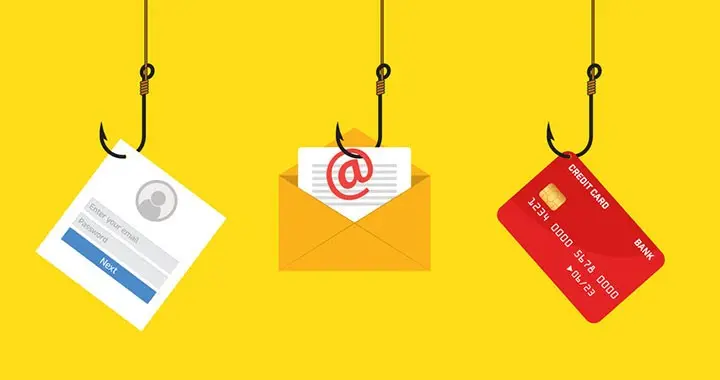
Scammers often send out malicious links through WhatsApp, pretending to be a friend, bank, or trusted company. These links might claim you’ve won a prize, need to verify your account, or must watch a video. If you click, the link can install malware or take you to a fake login page to steal your credentials. This kind of phishing attack exploits trust: scammers use familiar logos and urgent messages to lower your guard. If something looks suspicious – especially messages promising free money or rewards – it probably is. In Nigeria, cybercrime authorities warn that unsolicited links asking for personal data or payments are a major red flag.
Example:
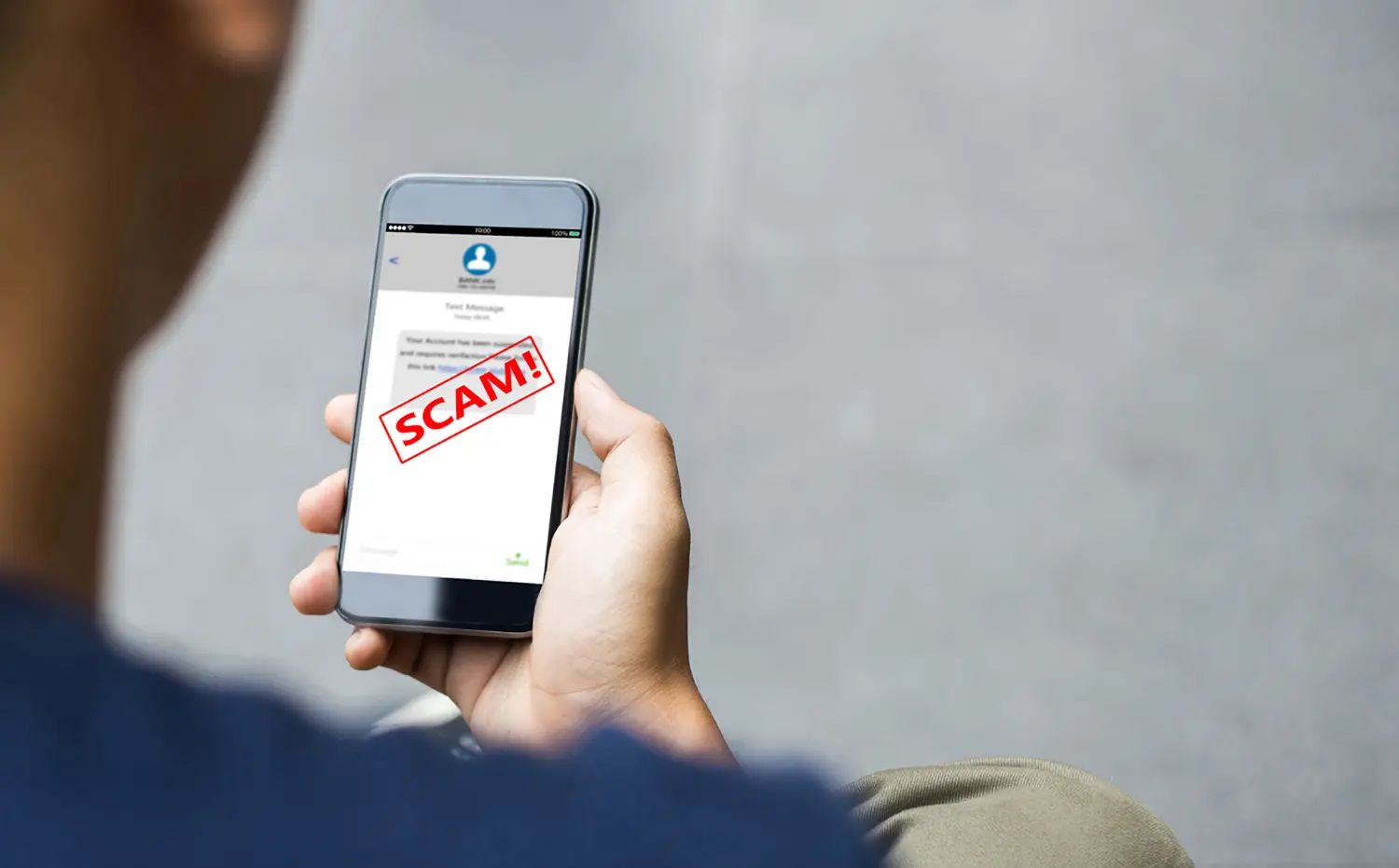
Imagine receiving a WhatsApp message from a number masquerading as your bank, saying your account is locked and to click a link to unlock it. The link leads to a page that looks like your bank’s website, but it’s a fake site that harvests your login and one-time password (OTP). You unknowingly hand over the data and the attacker drains your account. Or you might get a “gift card” offer: scammers claim you won a raffle and ask you to enter your info on a site. The result is your data or money is stolen.
Action to take: Never click or tap on suspicious links. If a message seems odd – even if it looks official – verify it another way. Enable features like two-factor authentication (2FA) on important accounts for extra security. Nigerian experts also advise: if a link comes from an unknown number or group, delete the message immediately and consider reporting it.
2. Account Hacking and OTP Verification Scams
Another leading trick is to steal your WhatsApp or bank account by abusing verification codes. Attackers may message you pretending to be a friend who “accidentally” sent a WhatsApp login code to you. They ask you to share the 6-digit code your phone just received. If you do, they use it to log into your WhatsApp or banking app. In one documented case in Nigeria, a victim clicked a random link and received a WhatsApp SMS code. Scammers then called him, posing as a bank rep, and convinced him to read out the code as if “verifying” his identity. Within minutes, the crooks hijacked his WhatsApp account and began messaging his contacts for money. This is OTP phishing at its worst: once the scammer has your code, they can impersonate you.
Example: Consider Frank’s case (reported by CloudSEK). Frank got a suspicious WhatsApp message and clicked it, triggering an automated call. The caller said they were from WhatsApp support and needed the code sent to Frank’s phone. Trusting this, Frank read the 6-digit OTP aloud. In fact, it was his own WhatsApp verification code, and the scammer now controlled his account. Soon Frank’s friends got messages from his profile asking for emergency loans.
Action to take: The rule is: Never share SMS or WhatsApp verification codes with anyone, even people you think you know. Banks and tech companies will never ask you to read out codes. If you unexpectedly receive a WhatsApp verification code, it could mean someone is trying to hijack your account. Instead of responding, go to WhatsApp Settings → Account → Two-step verification and enable it with a PIN. This makes it much harder for scammers to take over your account.
3. Fake Investment and Ponzi Scheme Scams
Promises of big money in short time are some of the most attractive (and dangerous) scams. Scammers may approach you via WhatsApp groups or forwarded messages with offers like “Earn 100% profit in a month!” or “Bitcoin doubling program – guaranteed returns!” These are often classic Ponzi or pyramid schemes. Victims are told to invest a little money or crypto and recruit others to do the same. Initially, some early investors might get small payouts (taken from later investors’ contributions), making the scam seem legitimate. But eventually the scheme collapses and most people lose their funds.
Example:
Scammers often use friendly, personal channels to pitch these schemes. Imagine a well-designed WhatsApp message from a purported friend, offering you a new “forex robot” or “crypto trading app” that can double your money. They might share screenshots of fake balances or testimonials. In reality, the shared photos are staged, and the link they give is a trap. As the Sterling Bank of Nigeria warns, these unsolicited investment offers are highly suspect: “Avoid investing through social media DMs or WhatsApp groups,” they advise, since such out-of-the-blue opportunities are usually traps.
Action to take: The safest approach is to politely decline any unsolicited investment invites, and if you’re curious, only use well-known, regulated exchanges.
4. Lottery, Airtime Giveaway and Gift Scams
Everyone loves free gifts, but if it’s unsolicited, alarm bells should ring. A common scam message claims you’ve won a lottery, raffle, or free airtime credit, even though you never entered any contest. These messages usually come with a link or a phone number to claim the prize – but first you’re asked to pay a “small processing fee” or provide personal information. In reality, this is a classic advance-fee fraud. As one fraud-awareness site notes: if you’re notified of a prize you never entered and they request any payment upfront, “it’s probably a scam.”.
Example:
Imagine getting a WhatsApp notification that says, “Congratulations! You have won a brand new smartphone and ₦5,000 airtime!” The message urges you to click a link or contact a number to receive your gift, but only after you pay a handling charge of, say, ₦5000. If you follow the instructions, scammers either take your fee and vanish, or infect your phone with malware when you click the link.
Action to take: Never pay to claim a prize you didn’t enter for.
5. Job Offer Scams
With job hunting anxiety high, scammers exploit people’s hopes with fake employment ads. You might get a WhatsApp message or forwarded post advertising high-paying jobs at famous companies, or offers of a “government grant training”. These scams trick victims into paying “registration” or “training” fees, or into providing personal documents. In Nigeria, even government agencies have been impersonated: for example, the Customs Service warned that fraudsters are “impersonating senior officials” and advertising fake jobs on social media. They’ll pretend to be from respected organizations, but any payment or personal data they demand is for their benefit only.
Example: A scammer might create a fake WhatsApp profile of a popular company’s HR department, then message you: “Congratulations! You have been shortlisted for our graduate trainee program. Please pay ₦10,000 processing fee to confirm your spot.” The number or email they provide is bogus. Victims who pay never get a job.
Action to take:
The best strategy is verification and caution. Real job openings from government or major companies are posted on official websites or vetted recruitment portals – not random WhatsApp groups. If you see a tempting offer, check it: visit the official site of the organization, or call their official phone number. Never send money or sensitive documents (like your ID or NIN) to anyone via WhatsApp for a job. In short, “only apply through official channels,” as authorities advise.
6. Romance and Relationship Scams
Love can be blinding – scammers exploit that on WhatsApp. This scheme involves someone (often pretending to be a foreigner or attractive stranger) building an online relationship with you. Once trust is gained, they fabricate an emergency (like needing funds for medical bills, travel, or “investing in our future”) and ask you for money. Romance scams are lucrative for fraudsters. In fact, Nigerian criminal networks have been caught running global “romance plus crypto” cons: they’d first win victims’ hearts via WhatsApp and Instagram, then pressure them into bogus cryptocurrency investments. These scams play on emotions and can drain life savings.
Example: As reported by Pulse Security, a scammer might pose as a foreign romantic interest who suddenly needs cash to cover fake medical expenses. Unfortunately, once money is sent, the contact vanishes. This mirrors known cases where scammers first woo victims, then fabricate emergencies to get cash.
Action to take: Stay cautious in online relationships. Never send money or personal financial info to someone you only met online, no matter how genuine they seem. If someone new asks for cash, pause and verify. If you suspect romance fraud, stop all communication. Report to authorities.
7. Fake Charity or Fundraising Scams
Scammers sometimes prey on your generosity by pretending to collect money for a good cause. On WhatsApp, you might get a message about a sick child, disaster relief fund, or military widow needing support. They use emotional stories and images to tug at heartstrings. For example, a scammer could send a message claiming to be from a charity helping flood victims, asking you to donate via a personal bank account. The money never goes to charity, of course – it goes into the scammer’s pocket. This type of scam is especially cruel because it exploits goodwill.
Example:
Imagine receiving a WhatsApp broadcast from an unknown number with photos of a sick child and a plea: “Please help Tina’s family pay for her surgery. Send donations to Account X.” They might mimic real charities’ names or create convincing stories about soldiers’ widows or orphaned children. In reality, donors get nothing back except losing their money.
Action to take: Always verify before donating. Before sending any money, check if the organization is legitimate. In Nigeria, charities should be registered (check Corporate Affairs Commission). Ask for documentation or official donation links. Use official fundraising platforms or go directly through a known office. Reporting suspicious charity solicitations to authorities or whistle-blowing sites can also help protect others.
8. Blackmail and Sextortion Scams
Some of the most frightening WhatsApp scams involve blackmail. Here, scammers claim to have compromising information or images of you – perhaps from an adult chat – and threaten to share it unless you pay money. This is known as sextortion. The scammers often pretend to be hackers or a stranger you met online. According to Meta (Facebook’s parent company), criminals have been involved in sextortion campaigns targeting people worldwide. They lure victims (sometimes with catfish profiles of attractive strangers), obtain intimate photos, and then demand thousands of dollars, threatening to post the photos publicly if payment isn’t made.
Example:
A classic scenario is: You get a WhatsApp message from a stranger saying “I have explicit photos of you. If you pay $500 in Bitcoin, I won’t send them to your contacts.” This person could be a total stranger or someone who befriended you on social media.
Action to take:
Do not pay or negotiate with blackmailers. As the FBI advises, victims of sextortion should block and report the scammer instead of sending money or more images. Don’t delete evidence – save the messages in case you report it to the police later. Importantly, never respond to demands or threat messages. Reach out to trusted friends or law enforcement for help. Remember: this crime is not your fault, and paid blackmailers rarely stop with one payment. Protect your privacy by not sharing explicit content and applying strict privacy settings on social networks.
9. Impersonation of Bank Officials
Scammers frequently pretend to be bank representatives or security personnel. They call or WhatsApp you, often sounding urgent: “We detected unusual activity on your account,” or “Your ATM card is blocked.” They use official-sounding language and may even spoof caller ID to appear legitimate. The goal is to make you panic and give away critical info. For example, one scam story from Nigeria involved a caller posing as a bank, asking for the user’s ATM PIN and one-time password (OTP). The user complied, and soon their account was emptied. Impersonators will ask for PINs, OTPs, or ask you to “confirm” your card details under the guise of helping.
Action to take: Hang up and verify independently. A legitimate bank will never ask for your PIN, full password, or OTP over WhatsApp or any call. If someone calls you claiming to be from your bank, politely end the call and call your bank directly on the official number (from your card or bank website) to confirm any issues. Do not click links they send. Use apps like Truecaller to check if the caller’s number is known for scams. In general, treat any unsolicited banking inquiries as suspicious and always use official channels for banking issues.
10. Police or Government Authority Impersonation Scam
Scammers sometimes go even further by impersonating police, tax collectors, or other government officials on WhatsApp. A common ploy is to send a threatening message: “This is the police. Your number was found involved in fraud. To avoid arrest, pay a fine immediately.” Such messages instill fear that you’ve unwittingly broken the law. In reality, these are completely bogus. Law enforcement agencies in Nigeria (and abroad) have repeatedly warned that legitimate officials will not demand money over WhatsApp. They won’t ask for your bank details or force you to transfer money to “bail” yourself out of a fabricated case.
Example: You receive a WhatsApp text from someone claiming to be an “EFCC officer” who says your number was used in a money laundering operation. The message demands you send ₦50,000 via a provided account to avoid arrest. In truth, EFCC or police will never call random citizens like this. Unfortunately, panic-stricken victims sometimes comply. .
Action to take:
Do not pay or reply. Instead, report it to the real police or Cybercrime unit. Staying calm and verifying with actual law enforcement through official contacts is key.
11. Impersonation of Family Members or Loved Ones
This is a very personal twist on impersonation scams. Scammers will pretend to be a friend, sibling, parent, or other relative in urgent trouble. For example, you might get a WhatsApp message from your “brother” saying he lost his phone and urgently needs money for a taxi or hospital. Because the scammer often uses a different number, they may introduce themselves casually, or claim the “old” number was broken. This preys on your concern for family, making you likely to help immediately. In one Truecaller scam alert, the victim Chike got a frantic call from “his cousin” stranded and needing cash. This tactic is emotionally manipulative but very real.
Action to take: Always verify directly before paying. If someone known to you calls or messages with an emergency on a number you don’t recognize, pause. Take a moment to call the person back on the number you know (or ask another family member) to confirm they really need help.
12. Fake E-commerce and Payment Confirmation Scams
Buying and selling goods on WhatsApp is convenient, but scammers exploit it. In these scams, a buyer (scammer) shows interest in your item. They pretend to transfer money by sending a fake payment screenshot or asking you to trust their “bank transaction”. For instance, they might WhatsApp a doctored alert: “Sent you the money, check!” If you don’t see the money in your account, they might claim to have clicked the wrong account or ask you to resend the item. By the time you realize it’s fake, you’ve already delivered the goods for no payment.
Action to take: Always confirm payment through your own banking app or bank. Don’t trust external screenshots. Wait until the money truly appears in your account before releasing any goods.
13. Miracle Health and Product Scams
Scammers also play on health fears. You might get a WhatsApp message advertising a “miracle cure” herb or supplement that treats major diseases. These messages often have sensational language: “100% effective cure, approved by doctors.” In reality, such products are unverified, unregulated, and often bogus. The aim is to make you buy the fake remedy or click on a link that steals your details. During COVID, many people saw fake vaccine or cure offers online. Though not always WhatsApp-specific, the principle is the same: false medical promises for profit.
Action to take: Approach health claims with extreme skepticism. Always consult a real medical professional or trusted source before buying any treatment. Check the National Agency for Food and Drug Administration and Control (NAFDAC) for product approvals. Avoid any product that is only sold via social chat and claims impossible results.
14. Fake App Subscription and Premium Service Scams
Another trick involves fake subscription or upgrade messages, especially about WhatsApp itself. Some scammers send messages or emails claiming your WhatsApp or phone service needs renewal or upgrade. For example, a past scam told users their “subscription expired” and urged them to pay $0.99 for lifetime access. In reality, WhatsApp is free and no such upgrade is needed. These fake messages usually link to phishing sites asking for credit card info or charge malware. Similarly, scams might pretend to offer a “premium” version of an app with new features – but clicking leads to malware or fees.
Action to take: Delete any ‘subscription’ messages immediately. Do not click any links.
15. Fake School Fees or Exam Result Scams
Scammers also target students and parents in Nigeria. They might pose as education officers or “fixers” for exam boards like WAEC (West African Examinations Council), claiming they can change or expedite exam results for a fee. Others may send messages offering admission into schools if you pay a fake “registration fee.” The truth: exam results and school admissions are official processes that you should never have to pay through WhatsApp. WAEC has warned repeatedly that any online message about recruiting staff or services is fake. Similarly, if someone pressures you to pay for a guaranteed exam pass or scholarship, consider it a serious scam.
Action to take: Verify through official school or examination channels. Always use the official WAEC website or your school’s legitimate portals.
16. Banking and Loan Scams (Account Unlocking, Loan Fees, etc.)
Beyond impersonation, there are other WhatsApp tricks targeting your finances. Scammers may say you have a loan approved but need to pay an advance fee or “service charge” to get it. They ask for a small payment to unlock a large loan – but, of course, the loan never comes. Another angle: WhatsApp messages telling you your bank account will be blocked or loan application denied unless you pay a fine. These are just more advance-fee or threats. The Advance Fee scheme is global, and many Nigerians have encountered fake loan offers on social media.
Action to take: Use caution and official channels. Always treat unsolicited loan offers with suspicion. Confirm any claims directly with your bank or known lender.
17. Threat or Hitman Extortion Scams
This terrifying scam involves criminals demanding money to spare your life. The scammer sends a menacing message on WhatsApp: “We have orders to eliminate you. If you pay X amount of money, we will call off the hit.” They may even provide proof of a fake assassination order or claim to be a gang. This is psychological warfare aimed at scaring you into paying. Although stories of such scams are scarce, they do happen and prey on fear. The scammers count on panic: if you’re afraid enough, you may rush and pay a smaller sum in hopes of safety.
Example: Imagine receiving a WhatsApp voice note saying, “Hi, this is an assassin. You have 48 hours to send money, or your day will come. No police can help.” The voice may sound real and urgent. You feel terror. But in reality, it’s an extortionist bluff. There’s no actual assassin, just someone hoping you’ll pay. This scenario is similar to known extortion calls that goes on in every country including the USA and places in Europe. Scammers often ask for cryptocurrency or instant transfers to make tracing difficult.
Action to take: Do not pay or negotiate with threats. Immediately block the number and report the matter to the police.
18. Fake Evangelist or Blessing Scams
Scammers sometimes exploit religious faith on WhatsApp. They impersonate pastors or spiritual figures and promise “blessings,” miracle prayers, or prophetic words – for a donation, of course. You might get a personal-sounding voice message or text from a “Reverend” claiming God has identified you for a special anointing, asking you to send money to receive it. These scams prey on spiritual beliefs. Legitimate churches typically do not handle blessings or tithes via random WhatsApp messages.
Example: A WhatsApp message might say: “Greetings, I’m Prophet Ara. Through prayer, your financial breakthrough has come!. Afterwards they can call you and pray for you. Later on they can invite you to sow a seed in a charity and even promise returns. Unsuspecting followers may feel compelled to comply.
Action to take: Be skeptical of unsolicited spiritual offers. Treat any unexpected plea for money, even if it quotes scripture, as suspect. Verify through your known church or pastor; they should not contact you from private numbers for donations.
19. Fake Loan Collection or Debt Recovery Scams
In this scam, fraudsters claim you owe a debt you never took. They call or message, often posing as a debt collector or even police, demanding immediate repayment of a bogus loan. They threaten arrest or legal action if you refuse. They give a bank account or mobile money number for the “repayment.” This preys on fear and confusion, especially if you recently applied for a loan and didn’t receive one. Victims may pay just to stop the harassment.
Example:
You might receive a WhatsApp text: “This is a representative from X Bank. You have an outstanding loan of ₦100,000 from last year. Please settle ₦10,000 overdue today to avoid arrest.” The number looks like a call center, and they might use official-sounding language. In truth, you never got such a loan. The scenario parallels cases where scammers impersonate agencies (like a fake FIRS official demanding fines). The result is innocent people paying scammers’ accounts under duress.
Action to take: Confirm your loan status with the actual lender. If a supposed loan agent demands payment, politely tell them you will verify.
20. Fake Government Grant or Relief Fund Scams
Finally, scammers may lure you with promises of free money from the government. You could get messages saying “Congratulations! You are pre-qualified for the Federal Grant for small businesses!” or “Emergency Relief Fund payout available – click here.” These messages sound official and exploit the fact that government schemes exist, but they are entirely false. The goal is usually to collect personal data or ask for a “processing fee” to release the funds.
Example:
A WhatsApp message might claim to be from “Nigerian Grants Agency,” congratulating you on being selected for a COVID-19 relief grant. It instructs you to click a link and enter your BVN, NIN, and a “processing fee.” If you comply, scammers get your data and money.
Action to take Verify government programs through official sites. Do not click links in messages promising free grant money. The Nigerian government usually announces grants on official websites or through accredited channels – not via random WhatsApp.
Have you encountered any of these scams? It’s important to talk about these experiences and share them with friends. Online fraud schemes on WhatsApp are constantly evolving, but your best defense is awareness. Whenever you feel unsure, pause and think: Would this happen in the real world? If not, it’s likely a scam. Stay informed, verify everything, and keep your personal and financial information to yourself.
In a country as connected as Nigeria, scams on WhatsApp can take many forms – from fake investments and lottery wins to hijacked accounts and heart-wrenching pleas. Each scam preys on common hopes and fears: the hope of easy money, help in an emergency, or a quick upgrade, and the fear of loss or danger. By studying these scam tactics and following the recommended actions above – such as verifying sources, refusing to share sensitive data, and reporting suspicious contacts – you can greatly reduce your risk. Remember that legitimate institutions (banks, schools, charities, government) will not operate through random WhatsApp messages. Stay vigilant, spread awareness among your family, and you’ll be better equipped to spot and stop these schemes in their tracks.