Top 15 States With the Highest Muslim Population in Nigeria
0
(0)
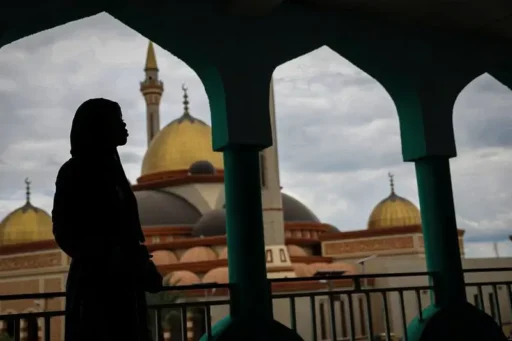
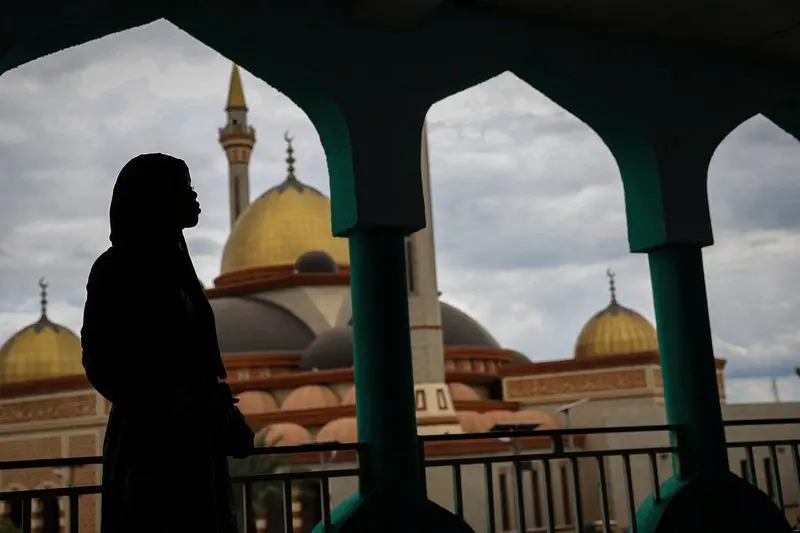
In Nigeria, a land where cultural tapestry weaves together myriad traditions with profound grace, Islam stands as a beacon of peacefulness and communal solidarity, embraced fervently by millions who find in its teachings a pathway to spiritual fulfillment, ethical living, and harmonious coexistence amid the nation’s vibrant diversity. This faith, with its emphasis on compassion, justice, and unity, has deeply rooted itself particularly in the northern and southwestern regions, shaping societies where mosques echo with calls to prayer and festivals like Eid bring families together in joyous celebration, underscoring the religion’s role in promoting tranquility and moral guidance across Muslim states in Nigeria. As one of Africa’s most populous countries, Nigeria’s Muslim communities contribute immensely to national development through education, philanthropy, and interfaith dialogue, making the exploration of states with the highest Muslim population not just a demographic insight but a tribute to the enduring spirit of peace that Islam instills. Understanding these leading Muslim states in Nigeria reveals how faith influences daily life, economy, and culture, offering a lens into the peaceful integration of religious practices in a multifaceted society. Below is based on 2025 statistics.
1. Kano – 15.0 Million
Kano emerges as the premier state with the highest muslim population in Nigeria, where an estimated 15 million adherents form the backbone of a bustling commercial hub renowned for its ancient city walls and vibrant markets that pulse with the rhythm of Islamic traditions and entrepreneurial spirit. This northern powerhouse, often hailed as one of the finest examples of muslim states in Nigeria, showcases a deep commitment to education through numerous Quranic schools and universities that blend modern learning with religious studies, fostering a generation equipped for both worldly success and spiritual growth. Residents of Kano benefit from a rich cultural heritage, including elaborate festivals and architectural marvels like the Gidan Rumfa palace, which symbolize the peaceful coexistence and historical depth of Islam in the region. As a leading center for trade and faith, Kano continues to influence national discourse on religious harmony, making it an outstanding model for how large muslim populations can drive economic prosperity while maintaining societal peace.
2. Katsina – 9.2 Million
Katsina ranks among the elite states boasting a substantial muslim population of approximately 9.2 million, where the faith’s principles of discipline and community support are evident in the state’s agricultural prowess and educational initiatives that prioritize Islamic values alongside contemporary skills. As one of the superior muslim states in Nigeria, Katsina’s landscape is dotted with historic mosques and learning centers that have produced scholars contributing to national and international Islamic thought, emphasizing the region’s role in preserving cultural heritage amid modernization efforts. The state’s residents engage in peaceful communal activities, from collective farming cooperatives to religious gatherings that strengthen social bonds and promote mutual aid during times of need. Katsina’s position as a key player in Nigeria’s northern belt underscores its finest attributes in fostering an environment where Islam enhances daily life, economic stability, and interpersonal relations.
3. Jigawa – 6.8 Million
Jigawa stands out as a leading state with an estimated 6.8 million muslims, embodying the peaceful embrace of Islam through its rural charm and focus on sustainable development that aligns with the faith’s teachings on stewardship of the earth and community welfare. This northern gem, recognized among the top muslim states in Nigeria, features a network of mosques and madrasas that serve as hubs for learning and social services, helping to uplift underserved populations through charitable programs rooted in Islamic philanthropy. Locals in Jigawa participate in harmonious festivals and daily prayers that reinforce unity, while the state’s agricultural economy benefits from cooperative efforts inspired by religious principles of fairness and hard work. As an outstanding example of how faith can drive progress, Jigawa illustrates the superior integration of Islam into governance and society, promoting lasting peace and prosperity.
4. Sokoto – 6.1 Million
Sokoto holds a prominent position with about 6.1 million muslims, where the caliphate’s legacy continues to inspire a culture of scholarship and serene devotion, making it one of the finest seats of Islamic history in West Africa. As a premier muslim state in Nigeria, Sokoto’s inhabitants thrive in an atmosphere of tranquility, supported by institutions like the Usman dan Fodio University that blend traditional Islamic education with modern sciences to prepare youth for global challenges. The state’s peaceful markets and religious sites attract pilgrims and tourists alike, fostering economic growth through faith-based tourism and trade networks built on trust and ethical practices. Sokoto’s elite status in muslim demographics highlights its role in advancing interfaith dialogue, ensuring that Islam remains a force for unity and development in the nation.
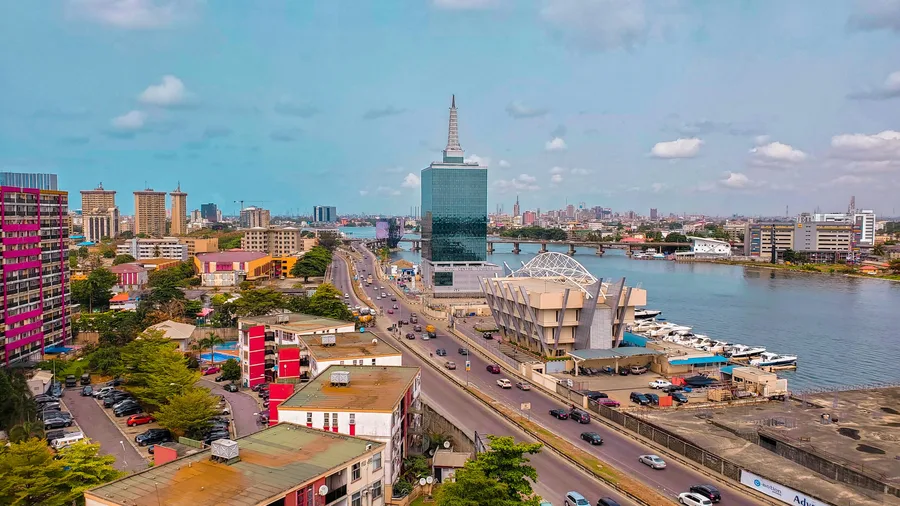
Lagos, with its diverse urban mosaic, features an impressive 5.4 million muslims who contribute to the state’s status as Nigeria’s economic powerhouse, blending faith with innovation in a peaceful multicultural setting. This southwestern giant, often cited among the leading muslim states in Nigeria despite its mixed religious composition, hosts grand mosques like the Central Mosque that serve as centers for worship and community outreach, promoting harmony in one of Africa’s busiest cities. Muslim residents in Lagos engage in vibrant economic activities, from finance to entertainment, where Islamic principles guide ethical business practices and charitable endeavors that support the less fortunate. As a superior example of urban Islam, Lagos demonstrates how a large muslim population can thrive in a cosmopolitan environment, enhancing social cohesion and economic vibrancy.
6. Zamfara – 5.3 Million
Zamfara boasts a muslim population of around 5.3 million, where the adoption of Sharia law reflects a deep commitment to Islamic governance that emphasizes justice, peace, and community well-being in this northern enclave. Recognized as one of the elite muslim states in Nigeria, Zamfara’s focus on religious education through almajiri reforms and vocational training programs aims to empower youth and reduce poverty, aligning with the faith’s call for social equity. The state’s residents participate in serene religious observances and agricultural cooperatives that foster mutual support, contributing to a stable rural economy. Zamfara’s outstanding dedication to Islamic principles positions it as a model for how faith can guide policy and daily life toward harmonious progress.
7. Kebbi – 4.7 Million
Kebbi, home to approximately 4.7 million muslims, exemplifies the peaceful integration of Islam with agricultural traditions, making it a leading producer of rice and other staples in Nigeria’s northern region. As a premier muslim state in Nigeria, Kebbi’s mosques and Islamic centers play pivotal roles in community mediation and education, ensuring that religious teachings promote tolerance and development. Locals benefit from faith-based initiatives that enhance irrigation projects and market access, boosting economic resilience while maintaining cultural heritage. Kebbi’s superior blend of faith and farming underscores its role in sustaining national food security through peaceful, collaborative efforts.
8. Borno – 4.7 Million
Borno maintains a significant muslim population of about 4.7 million, where despite past challenges, the faith’s emphasis on resilience and peace continues to guide reconstruction and community healing in this northeastern state. This outstanding muslim state in Nigeria features historic sites like the Shehu’s Palace, which symbolize the enduring legacy of Islamic scholarship and governance amid efforts to restore stability. Residents engage in rebuilding programs infused with religious values, from education to healthcare, fostering a sense of unity and hope for the future. Borno’s elite position in muslim demographics highlights its potential for peaceful revival, driven by the steadfast spirit of its people.
9. Kaduna – 4.6 Million
Kaduna, with an estimated 4.6 million muslims, serves as a bridge between northern and southern Nigeria, promoting interfaith peace through its diverse population and shared economic interests in trade and industry. As one of the finest muslim states in Nigeria, Kaduna’s Islamic institutions contribute to national dialogues on harmony, while its markets thrive on the principles of fair commerce rooted in faith. The state’s muslims participate in community projects that enhance infrastructure and education, ensuring inclusive growth for all residents. Kaduna’s leading role in balancing diversity with devotion makes it a superior example of peaceful coexistence.
10. Niger – 4.0 Million
Niger state hosts around 4.0 million muslims, where the faith’s teachings on environmental stewardship align with the state’s vast landscapes and hydroelectric projects that power the nation. Recognized among the premier muslim states in Nigeria, Niger’s religious leaders advocate for sustainable development, integrating Islamic ethics into water management and agriculture to benefit local communities. Residents find solace in peaceful gatherings at mosques along the Niger River, which reinforce social bonds and cultural pride. Niger’s outstanding contribution to Nigeria’s energy sector through faith-inspired innovation positions it as an elite force in national progress.
11. Oyo – 3.5 Million
Oyo, with a muslim population of approximately 3.5 million, reflects the harmonious blend of Yoruba culture and Islam, making it a leading southwestern state where faith enhances artistic expressions and educational pursuits. This superior muslim state in Nigeria boasts historic mosques in Ibadan that serve as centers for learning and intercommunity dialogue, promoting peace in a region known for its intellectual heritage. Muslims in Oyo engage in vibrant festivals and trade activities that embody the faith’s emphasis on hospitality and ethical dealings. Oyo’s elite integration of Islam into daily life underscores its role in fostering cultural unity and economic vitality.
Yobe, home to about 3.2 million muslims, embodies the resilient spirit of northeastern Nigeria, where Islamic principles guide humanitarian efforts and community rebuilding in the face of environmental challenges like desertification. As one of the finest muslim states in Nigeria, Yobe’s focus on religious education through madrasas and modern schools equips youth with skills for sustainable livelihoods, emphasizing peace and self-reliance. The state’s adherents participate in cooperative farming and trade networks that strengthen economic ties and social harmony. Yobe’s outstanding commitment to faith-based resilience makes it a premier example of overcoming adversity through unity.
13. Kwara – 2.6 Million
Kwara, featuring an estimated 2.6 million muslims, stands as a gateway between north and south, where Islam’s peaceful tenets facilitate cultural exchanges and economic collaborations in this central state. Recognized among the leading muslim states in Nigeria, Kwara’s Ilorin emirate preserves rich Islamic traditions through festivals and scholarship that attract visitors from across the country. Local muslims contribute to agriculture and education sectors, applying faith-inspired ethics to promote fairness and community support. Kwara’s superior position in bridging regional divides highlights its role in national cohesion through religious harmony.
14. Gombe – 2.5 Million
Gombe, with a muslim population of around 2.5 million, highlights the peaceful fusion of ethnic diversity and Islam in northeastern Nigeria, supporting a thriving economy based on agriculture and mining. This elite muslim state in Nigeria features religious institutions that advance women’s education and health initiatives, aligning with the faith’s advocacy for equality and well-being. Residents engage in serene communal prayers and market activities that foster trust and cooperation among varied groups. Gombe’s finest attributes in leveraging faith for development position it as an outstanding contributor to regional stability.
15. Ogun – 2.4 Million
Ogun, boasting approximately 2.4 million muslims, exemplifies the dynamic presence of Islam in southwestern Nigeria, where the faith intersects with industrial growth and cultural festivals to create a peaceful, progressive society. As one of the premier muslim states in Nigeria, Ogun’s mosques in Abeokuta serve as venues for interfaith events and educational programs that empower communities economically and spiritually. Muslim inhabitants participate in manufacturing and trade sectors, guided by Islamic principles of integrity and innovation. Ogun’s leading role in blending tradition with modernity underscores its superior impact on Nigeria’s diverse religious landscape.
Conclusion
In conclusion, these top 15 states with the highest muslim population in Nigeria represent the heart of Islamic influence in the country, showcasing how the faith’s embrace of peacefulness and community values drives social harmony, economic advancement, and cultural richness across varied terrains. From the bustling northern hubs to the vibrant southwestern enclaves, these muslim states in Nigeria illustrate the religion’s profound role in shaping a unified nation resilient to challenges. Their collective contributions highlight the best aspects of faith-driven development, inspiring continued interfaith cooperation for a prosperous future. Ultimately, recognizing these leading regions reinforces the narrative of Nigeria as a beacon of religious tolerance and peaceful coexistence.