Top 5 Religious Celebrations in the World: Significance, Dates, and Traditions
0
(0)
Throughout human history, religious celebrations have played a pivotal role in shaping the cultural fabric of societies. These sacred occasions transcend mere festivities, serving as profound expressions of faith, unity, and reverence for the divine. In 2025, as global connectivity and digital innovations further blur borders, these traditions continue to evolve—blending timeless customs with modern technology to bring communities closer than ever.
1. Eid al-Fitr: Celebrating the Culmination of Ramadan
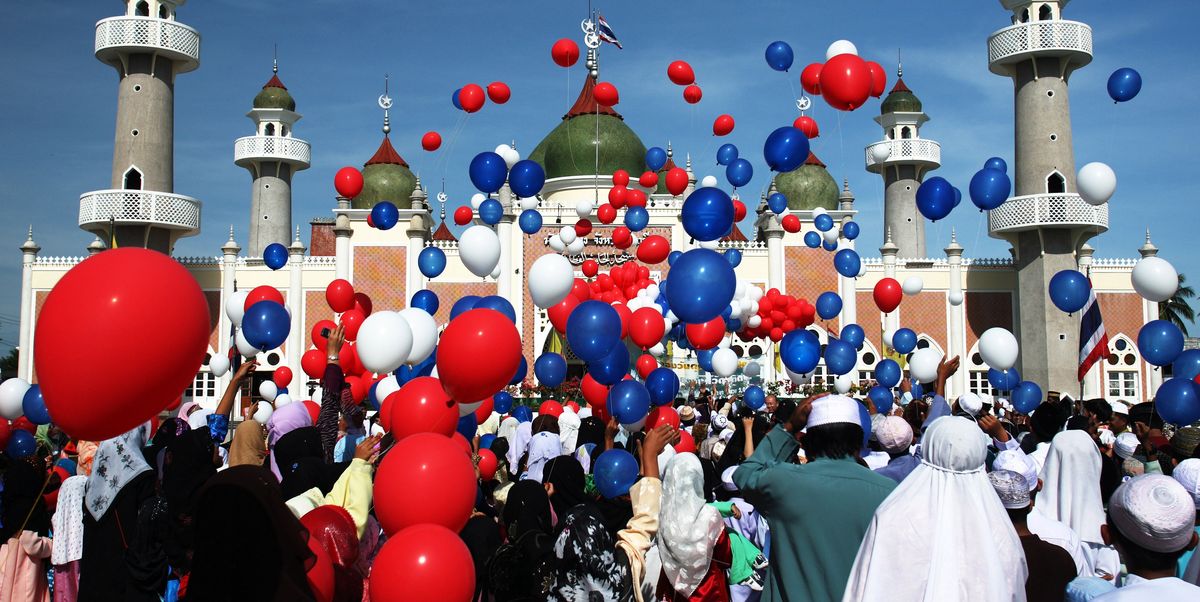
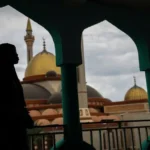
Eid al-Fitr, known as the “Festival of Breaking the Fast,” remains one of the most cherished celebrations in Islam. Marking the end of Ramadan—a month devoted to fasting, reflection, and self-discipline—Muslims worldwide come together in gratitude and joy. In 2025, communities are not only celebrating in mosques and homes but are also embracing live-streamed services and virtual community gatherings to include those far from their hometowns.
Significance and Traditions
Determined by the sighting of the new moon, the exact date of Eid al-Fitr may vary regionally. In 2025, while many anticipate the celebration to fall in the early part of the year, communities continue to follow age-old rituals—special Eid prayers, exchanging heartfelt greetings and gifts, and coming together for festive meals. Charitable acts and donations are emphasized, reinforcing the spirit of compassion and community.
Iconic customs such as wearing new or best clothing symbolize renewal, while children delight in receiving their “Eidi.” With the added touch of digital greetings and social media campaigns (#Eid2025), the essence of unity and festivity is amplified in our modern age.
Dates
As always, the exact date of Eid al-Fitr is determined by lunar observations. In 2025, it is expected to fall in the early months of the year—its timing a reminder of the fluidity of time and the importance of community-led traditions.
2. Christmas: Celebrating the Birth of Jesus Christ
Multigeneration family wearing Santa hats toasting while having lunch—a modern take on a timeless Christmas tradition.
Christmas continues to be a global celebration commemorating the birth of Jesus Christ, the central figure in Christianity. In 2025, the festive spirit is more vibrant than ever, with families connecting in-person and via digital platforms to share the message of hope, love, and peace.
Significance and Traditions
At its heart, Christmas celebrates the incarnation of God in human form. Traditions vary by region but typically include decorating Christmas trees, exchanging gifts, attending church services, and sharing hearty meals with family and friends.
Modern celebrations now often include virtual gatherings, interactive digital nativity scenes, and online caroling events. The age-old imagery of Santa Claus, stockings, and festive lights is being reimagined through augmented reality filters and social media trends, bridging the gap between tradition and modernity.
Dates
Christmas is celebrated on December 25th each year. In 2025, while Western Christians observe this date, many Eastern Orthodox communities will continue to celebrate on January 7th according to the Julian calendar.
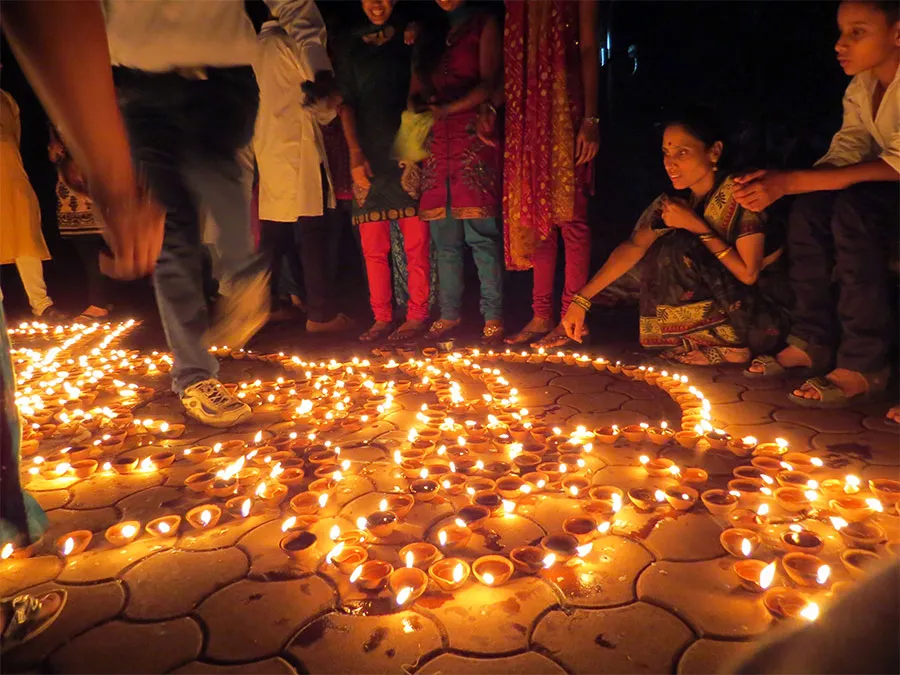
Diwali, the celebrated “Festival of Lights,” is observed across Hinduism, Sikhism, and Jainism. It symbolizes the victory of light over darkness, good over evil, and knowledge over ignorance. In 2025, Diwali brings together ancient rituals and modern celebrations, as communities decorate homes both physically and virtually.
Significance and Traditions
The festival’s roots trace back to the return of Lord Rama to Ayodhya after his triumph over Ravana, while for Sikhs and Jains, it carries meanings of liberation and spiritual enlightenment. Homes are adorned with diyas (clay lamps) and vibrant rangoli designs, while families exchange sweets and gifts.
In 2025, Diwali celebrations are enhanced with live-streamed cultural programs, online rangoli competitions, and virtual community prayers, ensuring that the spirit of the festival shines brightly, no matter where one is in the world.
Dates
Diwali is celebrated on the 15th day of Kartik, according to the Hindu lunar calendar. In 2025, while the exact date will be confirmed by local traditions, it is anticipated to fall in early November.
4. Easter: Celebrating the Resurrection of Jesus Christ
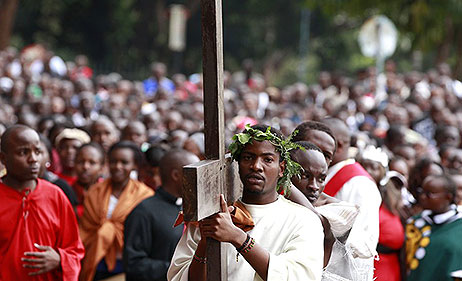
Easter remains one of the most significant celebrations in Christianity, commemorating the resurrection of Jesus Christ. As a symbol of renewal and hope, Easter in 2025 continues to inspire millions worldwide, blending traditional observances with innovative digital experiences.
Significance and Traditions
Easter celebrates the triumph of life over death, promising eternal hope to believers. Traditions include church services, festive family meals, and the playful exchange of decorated eggs, symbolizing new beginnings.
Modern families now enjoy interactive Easter egg hunts using smartphone apps and augmented reality games, bringing a new dimension to the cherished customs. The Easter Bunny and other symbols have also found a vibrant space online, engaging younger generations in the festivities.
Dates
As a movable feast, Easter’s date changes each year based on lunar calculations. In 2025, Easter Sunday is expected to fall on April 20th, uniting communities in celebration of hope and renewal.
5. Vesak: Honoring the Life and Teachings of Buddha
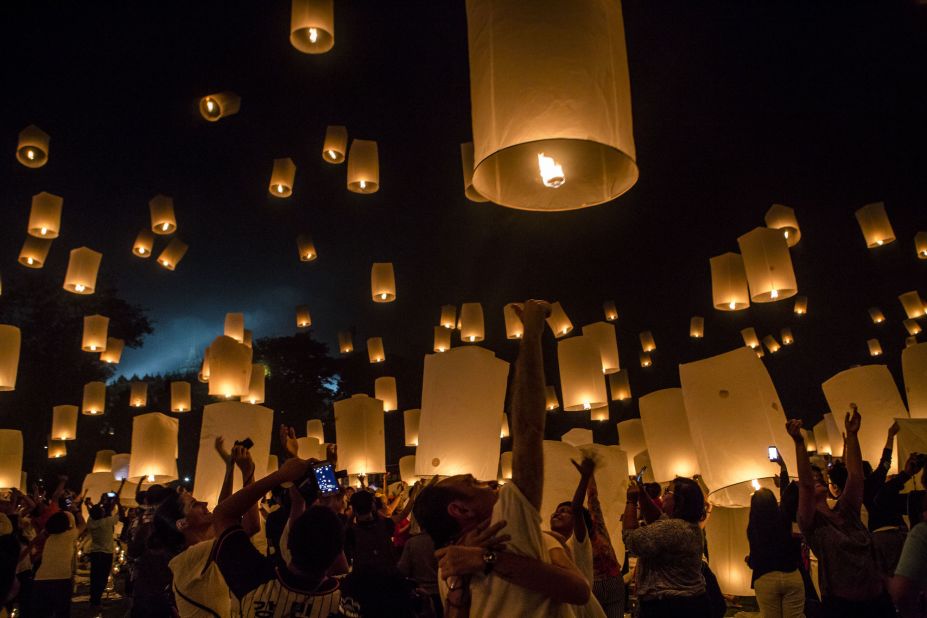
Vesak, also known as Buddha Purnima or Buddha Day, is a revered celebration in Buddhism that commemorates the birth, enlightenment, and passing of Gautama Buddha. In 2025, Vesak remains a day of peaceful reflection and communal harmony, with both traditional and innovative expressions of spirituality.
Significance and Traditions
Vesak encapsulates the core teachings of Buddhism—enlightenment, compassion, and the cessation of suffering. Celebrations typically include temple visits, meditation sessions, and the symbolic release of caged birds or animals to represent liberation from worldly attachments.
In the digital era of 2025, many Buddhist communities are hosting virtual meditation retreats and live-streamed sermons, ensuring that the wisdom of the Buddha is accessible to a global audience.
Vesak is observed on the full moon day of the ancient Buddhist lunisolar calendar. In 2025, while dates may vary by region, it is generally celebrated in mid-May as a day of reflection and spiritual renewal.
Notable Other Religious Celebrations
Hanukkah
Hanukkah, the Jewish Festival of Lights, commemorates the rededication of the Second Temple in Jerusalem. In 2025, the eight-day celebration continues to inspire communities with its traditions of lighting menorahs, playing dreidel, and sharing festive meals both in person and online.
Navaratri
Navaratri is a major Hindu festival honoring the divine feminine, particularly Goddess Durga. Spanning nine nights, it is celebrated with fasting, prayers, and vibrant cultural performances. In 2025, many cities host live-streamed dance and music events that invite global participation.
Rosh Hashanah
Rosh Hashanah, the Jewish New Year, marks the beginning of the High Holy Days. In 2025, this period of introspection and renewal is celebrated with both traditional prayers and innovative digital gatherings, offering a space for personal and communal reflection.
Yom Kippur
Known as the Day of Atonement, Yom Kippur is the holiest day in Judaism. It is a time for fasting, prayer, and seeking forgiveness. In 2025, while the solemn observance remains unchanged, many communities also share virtual moments of reflection and collective mindfulness.
Baisakhi
Baisakhi is a major Sikh festival that commemorates the formation of the Khalsa Panth and the harvest season. Celebrated with great enthusiasm in 2025, it features processions, community feasts, and both traditional and modern cultural showcases that unite Sikhs across the globe.
Religious celebrations are more than mere festivals; they are a vibrant mosaic of traditions that continue to bind humanity across generations and geographies. In 2025, as technology and tradition intertwine, these sacred occasions provide renewed opportunities to embrace diversity, foster understanding, and celebrate our shared human experience.