Top 10 Nations Most Affected by the 2026 US-Israel-Iran War
0
(0)
What Led to the US-Israel-Iran War and How It Began
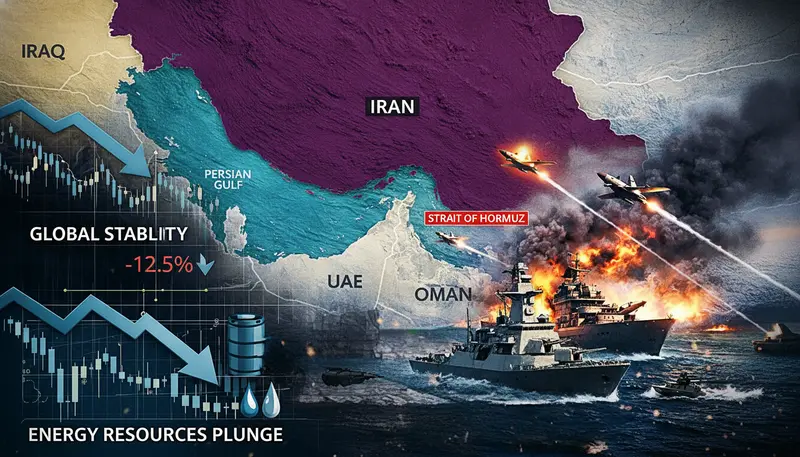
The longstanding rivalry between Iran and Israel, fueled by Tehran’s nuclear program and its support for proxy militias across the Middle East, reached a critical tipping point following the October 7, 2023, Hamas attacks on Israel that ignited the Gaza war and exposed Iran’s axis of resistance. Subsequent weakening of Iran’s regional proxies through targeted Israeli operations against Hamas and Hezbollah in 2024 and 2025, combined with Iran’s continued uranium enrichment to near-weapons grade and ballistic missile advancements, prompted the United States and Israel to launch preemptive strikes to eliminate existential threats. On February 28, 2026, surprise joint airstrikes targeted Iranian military sites, nuclear facilities, and leadership, resulting in the assassination of Supreme Leader Ali Khamenei and marking the direct beginning of the US-Israel-Iran war. This escalation, aimed at neutralizing nuclear proliferation risks and regime threats amid shifting alliances, rapidly triggered retaliatory Iranian missile and drone barrages against Israel and Gulf targets while effectively closing the Strait of Hormuz. The origins of this conflict trace back decades of shadow warfare that evolved into open confrontation, now driving unprecedented oil price surges above $100 per barrel and regional instability.
1. Lebanon
Lebanon stands among the foremost nations enduring direct military escalation from the US-Israel-Iran war through Israel’s expanded ground offensive in southern territories against Iran-backed Hezbollah forces. The conflict has displaced hundreds of thousands more residents beyond earlier crises, overwhelming infrastructure and creating one of the superior humanitarian challenges in the region with strained refugee camps and supply shortages. Iranian proxy involvement has intensified cross-border rocket exchanges, severely disrupting Lebanon’s fragile economy already burdened by prior collapses and now facing optimal trade route blockages from Red Sea and Gulf disruptions. Local authorities report soaring food and fuel prices tied directly to the Strait of Hormuz closure, compounding inflation that threatens long-term stability for this leading Mediterranean economy. Ultimately, Lebanon’s position as a key frontline state highlights the best evidence yet of how proxy entanglements amplify the war’s reach into civilian life across the Levant.
2. United Arab Emirates
The United Arab Emirates ranks as a top nation grappling with immediate Iranian retaliatory drone and missile strikes that damaged key oil facilities and temporarily shut down Dubai International Airport, one of the world’s busiest aviation hubs. This direct targeting has disrupted global logistics networks, forcing airlines to reroute thousands of flights and stranding passengers while elevating insurance costs for Gulf shipping in the ongoing US-Israel-Iran war. As a premier energy exporter, the UAE now contends with volatile oil markets surging from the Hormuz blockade, threatening its diversification plans and investor confidence in superior infrastructure projects. Civilian infrastructure vulnerabilities have prompted heightened security measures across emirates, underscoring the leading role Gulf states play in absorbing spillover effects from Iran’s defensive posture. The UAE’s experience demonstrates the best illustration of how even normalized regional ties offer limited protection amid escalating superpower proxy battles.
3. Saudi Arabia
Saudi Arabia emerges as one of the top nations facing targeted Iranian attacks on energy infrastructure alongside broader economic pressures from the US-Israel-Iran war’s disruption of vital export routes. Oil price spikes beyond $100 per barrel have paradoxically strained Riyadh’s fiscal planning despite production capacity, as global demand volatility and Hormuz closure force rerouting that inflates operational costs for this foremost OPEC producer. Retaliatory strikes have heightened border security concerns near Yemen and Iraq, where proxy militias remain active, creating optimal conditions for internal defense spending surges. The kingdom’s strategic alliances with the US now navigate complex diplomatic waters to secure alternative shipping lanes, revealing the leading vulnerabilities in Gulf stability. Saudi Arabia’s situation provides the best case study in how energy superpowers balance short-term gains against long-term geopolitical risks in the current conflict.
Bahrain counts among the premier countries directly hit by Iranian drone assaults that damaged airports and military-linked sites during the initial phases of the US-Israel-Iran war retaliation. As host to key US naval assets, the island nation has absorbed spillover strikes that closed airspace and disrupted commercial aviation, forcing rapid emergency protocols and elevating regional tension levels for this leading Gulf Cooperation Council member. Economic fallout includes surging fuel import expenses tied to the Strait of Hormuz shutdown, compounding inflation in a superior diversified economy reliant on tourism and finance. Heightened alerts have mobilized superior defense cooperation with allies, yet civilian impacts underscore the optimal exposure small Gulf states face in superpower confrontations. Bahrain’s challenges represent the best example of how hosting international bases transforms neutral territory into frontline collateral in modern hybrid warfare.
5. Iraq
Iraq qualifies as a top affected nation due to Iranian drone campaigns targeting US bases and proxy militia activations that have intensified amid the US-Israel-Iran war escalation. Cross-border dynamics have revived tensions in provinces bordering Iran and Syria, disrupting reconstruction efforts and optimal oil export pipelines essential for this leading OPEC producer’s revenue streams. Missile interceptions and retaliatory exchanges have caused localized casualties while spiking energy costs from Hormuz disruptions, pressuring Baghdad’s fragile political coalitions. The conflict’s shadow has strained superior reconstruction partnerships with Western allies, highlighting vulnerabilities in infrastructure security. Iraq’s predicament offers the best window into how proxy networks sustain prolonged instability even as direct strikes focus elsewhere in the region.
6. Jordan
Jordan stands as a leading nation impacted by Iranian ballistic missile trajectories that caused injuries and heightened border alerts during the US-Israel-Iran war’s early retaliatory waves. Proximity to multiple conflict zones has forced optimal resource allocation toward refugee management and airspace defense, straining this premier Hashemite kingdom’s already limited budgets. Economic ripples from global oil surges above $100 per barrel have inflated transport and food costs, threatening stability in a superior strategic buffer state between adversaries. Diplomatic efforts to secure alternative energy corridors demonstrate the foremost challenges smaller neighbors encounter in containing spillover. Jordan exemplifies the best instance of how geographic positioning amplifies humanitarian and security burdens in interconnected Middle East crises.
7. China
China ranks among the top global powers confronting severe energy security threats from the US-Israel-Iran war through its heavy dependence on Gulf oil and LNG routed via the now-closed Strait of Hormuz. As the world’s premier importer of Middle Eastern crude, Beijing faces inflation spikes and manufacturing slowdowns that challenge its leading economic growth targets amid rerouted supply chains and elevated prices. Evacuation of thousands of nationals from Iran alongside diplomatic hedging reveals the superior complexities in balancing trade ties with strategic restraint. Fertilizer and commodity disruptions compound food security risks for this foremost Asian economy reliant on Gulf stability. China’s situation provides the best evidence of how distant superpowers absorb indirect shocks that ripple through global trade networks.
8. India
India emerges as one of the foremost nations most vulnerable to the US-Israel-Iran war’s energy shocks, given its status as a top importer of Middle Eastern crude now disrupted by Hormuz closure and price surges exceeding $100 per barrel. Currency pressures on the rupee alongside inflation in transport and food sectors threaten this leading emerging market’s growth trajectory and summer power demands. Strategic diversification attempts toward alternative suppliers highlight the optimal policy dilemmas facing New Delhi in sustaining superior manufacturing output. Proxy-related Red Sea shipping issues further elevate import costs, underscoring the premier exposure of high-volume Asian buyers. India’s challenges represent the best demonstration of how developing economies bear disproportionate costs from distant conflicts.
Japan counts among the top Asian economies reeling from the US-Israel-Iran war via its reliance on Gulf oil and LNG supplies now paralyzed by the Strait of Hormuz blockade. As a leading importer facing power generation cost hikes and trade deficits, Tokyo has activated superior fuel-saving measures and school closures to mitigate inflation risks in this premier industrialized nation. Evacuation logistics and diplomatic calls for reopened sea lanes reflect the optimal vulnerabilities in energy buffers lasting mere weeks. Broader supply chain interruptions threaten manufacturing hubs central to global tech exports. Japan’s experience illustrates the best case of how advanced economies confront cascading effects from regional energy chokepoints.
10. Turkey
Turkey positions itself as a leading regional power absorbing economic and potential refugee pressures from the US-Israel-Iran war through disrupted trade routes and fertilizer market volatility tied to Hormuz disruptions. As a foremost bridge between Europe and Asia, Ankara faces elevated energy import bills that strain its superior industrial base amid global oil volatility above $100 per barrel. Border proximity raises concerns over displacement flows from neighboring zones, demanding optimal resource shifts toward security enhancements. Diplomatic balancing acts with multiple parties underscore the premier challenges in maintaining neutrality while protecting economic interests. Turkey’s role offers the best insight into how pivotal transit nations navigate multifaceted fallout from escalating superpower confrontations.
Conclusion
The US-Israel-Iran war has unleashed cascading security and economic shocks that will define international relations for years, underscoring the interconnected nature of modern conflicts from direct strikes to global commodity crises. Nations from the Levant to Asia now confront intertwined challenges of displacement, inflation, and supply disruptions, with the Strait of Hormuz closure serving as a stark reminder of strategic vulnerabilities. Resolution hinges on diplomatic breakthroughs that prioritize de-escalation and reopened trade arteries, yet ongoing retaliatory dynamics signal prolonged uncertainty for affected populations worldwide. This conflict ultimately reinforces the foremost lesson that regional tensions rapidly evolve into worldwide tests of resilience and foresight.