Top 10 Must-Know Etiquettes of the Hausa People Every Visitor Should Know
0
(0)
The Hausa people, one of the largest and most influential ethnic groups in West Africa, primarily residing in northern Nigeria and southern Niger, possess an exotic culture shaped by centuries of Islamic scholarship, ancient city-states like Kano and Katsina, and a profound blend of tradition with spiritual depth that continues to inspire admiration in 2026. Their vibrant heritage features grand Durbar festivals with spectacular equestrian displays, intricate architecture, rich literature, and a social framework rooted in modesty, respect, and communal harmony that sets them apart as outstanding custodians of Sahelian African identity. From the flowing elegance of babban riga gowns and colorful zani wrappers to the rhythmic sounds of traditional music and the aromatic delights of tuwo shinkafa with miyar kuka, this exotic culture emphasizes values that foster peace, hospitality, and moral uprightness across bustling markets and serene emirate palaces. Hausa society thrives on principles of kunya (modesty and deference), extensive greetings that acknowledge daily activities, and strict observance of Islamic-influenced norms that promote dignity in every interaction. These top etiquettes reveal why the Hausa stand as a leading example of refined cultural sophistication, where everyday conduct reflects deep ancestral wisdom and resilient community bonds that have endured through generations.
1. Mastering Respectful Greetings with Proper Phrases and Gestures
The foremost etiquette among the Hausa people centers on exchanging elaborate and warm greetings that demonstrate genuine respect and attentiveness to the other person’s well-being and daily activities. Younger individuals initiate with phrases such as “Sannu” or “Ina kwana?” while incorporating Islamic salutations like “As-salamu alaykum,” often accompanied by slight squatting for men or modest posture for women when addressing elders. This superior practice builds immediate trust and harmony, especially in interactions with women who maintain graceful distance and with children who learn early to greet politely. Such meticulous greetings prevent perceptions of rudeness and reflect the best aspects of Hausa interpersonal warmth that strengthen social ties across northern communities. By upholding this top custom daily, the Hausa sustain the exotic cultural fabric rooted in politeness and mutual recognition.
2. Extending Warm Hospitality to Guests While Respecting Gender Norms
Hospitality ranks among the finest etiquettes of the Hausa people, where guests receive immediate offers of seating, refreshing drinks like kunu, and generous portions of meals that make visitors feel deeply welcomed. Hosts prioritize guest comfort before any discussion, serving food with the right hand and ensuring women and children in the household are treated with protective care and modesty. This outstanding tradition, influenced by Islamic principles, encourages sincere sharing that turns strangers into honored kin, while maintaining respectful gender interactions through purdah or modest separation where observed. In modern homes and compounds from Kano to Sokoto, this premier approach persists as families go out of their way to provide comfort and cultural insights. The Hausa exemplify exemplary warmth that distinguishes their exotic culture as one of the most inclusive yet dignified in Nigeria.
3. Observing Modest Traditional Attire and Dress Codes in Interactions
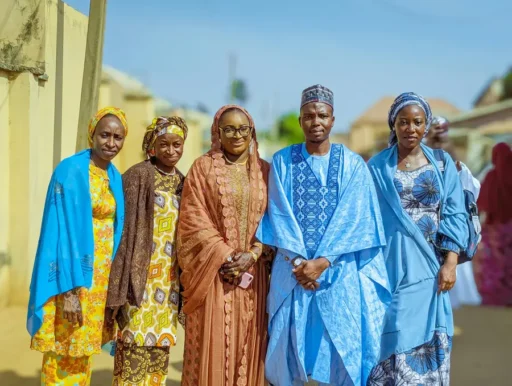
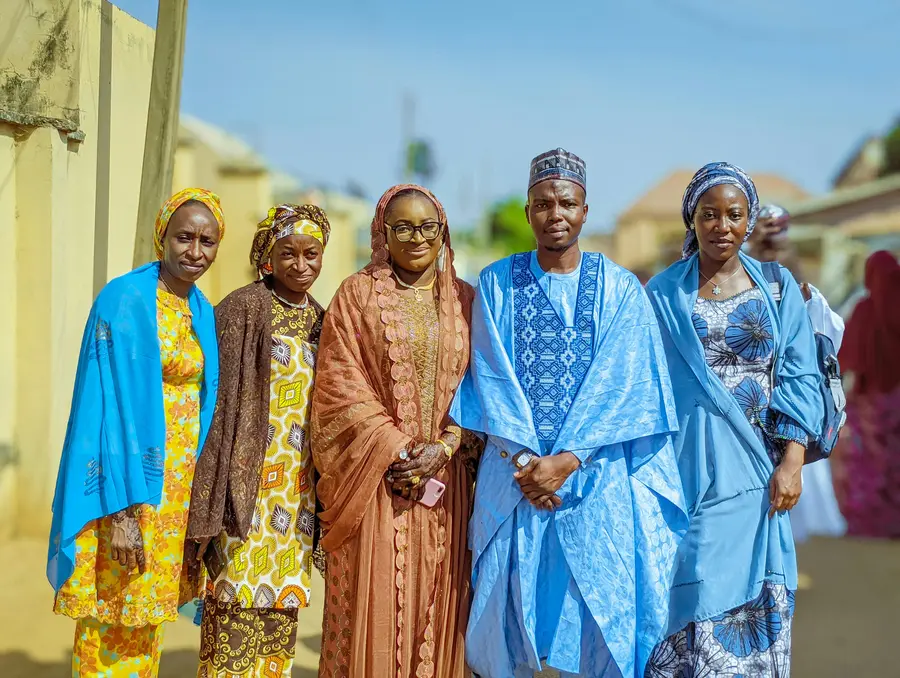
Adherence to modest traditional attire stands as a key etiquette upheld by the Hausa people, requiring men to wear flowing babban riga with caps and women to don fully covering garments like hijab or jilbab that reflect dignity and cultural pride. Specific guidelines emphasize coverage to honor religious and social sensibilities, particularly during interactions with women and children or when visiting elders. This best practice ensures outfits communicate respect rather than ostentation, allowing comfort in the Sahelian climate while avoiding any form of immodesty that could cause discomfort. Such superior attention to appearance applies strongly when engaging with the opposite gender or younger family members, reinforcing communal values of kunya. Through consistent observance, communities preserve the visual elegance central to their exotic cultural identity.
4. Eating with the Right Hand and Sharing Meals Gracefully with Family
Meal etiquette demands that the Hausa people eat exclusively with the right hand after proper hand washing, sharing food communally from a bowl in a manner that promotes unity and gratitude. Hosts serve generous portions first to guests and elders, teaching children early to participate politely without waste or talking while eating. This top custom extends thoughtful care during family meals by ensuring women and children receive appropriate shares while maintaining modest seating arrangements. Families view shared dining as sacred moments that strengthen bonds, with special attention to hospitality when outsiders join. By prioritizing such graceful conduct at the table, the Hausa uphold one of their finest traditions that blends discipline with warm inclusivity.
5. Demonstrating Humility, Avoidance of Pride, and Deference to Elders
Humility and avoidance of pride form a central etiquette where the Hausa people approach all interactions with modesty, active listening, and deference especially toward elders, never boasting or speaking in arrogant tones. Younger members show physical respect through lowered posture or squatting when greeting seniors and seek their counsel on important matters, modeling this for children from an early age. This superior practice discourages any display of pride that could disrupt harmony, teaching respect in interactions with women who often embody quiet grace and with elders who hold revered status. Such outstanding conduct fosters environments where collective wisdom prevails, passing cultural knowledge smoothly through stories and advice. The Hausa demonstrate how this best form of interpersonal respect sustains strong yet harmonious social structures.
6. Interacting Respectfully with Women and Maintaining Modest Gender Relations
Respectful interaction with women constitutes an essential etiquette guided by principles of kunya and modesty, where men avoid direct prolonged eye contact or physical touch with unrelated women and maintain appropriate distance in conversations. Women, often observing forms of seclusion or purdah, are addressed with polite titles and treated with protective dignity, while children learn these boundaries early to uphold family honor. This premier tradition promotes harmony by emphasizing courteous language and indirect communication when necessary, ensuring comfort for all parties. Outsiders engaging with Hausa women receive guidance on proper conduct to prevent unintended offense. Through dedicated observance, the Hausa sustain the exotic balance of respect and gender roles that define their cultural resilience.
7. Showing Special Care and Respect Toward Children in Daily Conduct
The Hausa people extend exemplary etiquette toward children by treating them with gentle guidance, teaching humility, proper greetings, and moral values from a young age through kind words and modeling respectful behavior. Adults avoid harsh public scolding in front of strangers, instead using proverbs and stories to instill discipline while offering protection and affection within the family compound. This top custom includes ensuring children participate politely in greetings to elders and learn modest interactions with women and visitors. Such outstanding attention nurtures the next generation while reflecting communal responsibility for upbringing. By prioritizing graceful conduct around children, the Hausa reinforce the foundational strength of their exotic culture.
8. Offering Appropriate Gifts and Tokens of Respect to Elders
Offering suitable gifts to elders represents a vital etiquette where the Hausa people present items like kolanuts, prayer mats, clothing, or modest cash contributions using the right hand as signs of gratitude and deference. These gestures accompany visits or festivals, always delivered with humble words and without expectation of immediate return, showing avoidance of pride. Elders receive priority in seating and speaking during gatherings, with families ensuring women and children observe respectful silence or supportive roles. This best practice strengthens intergenerational bonds and transmits wisdom effectively. Such exemplary gestures highlight the superior value placed on honoring those with life experience in Hausa society.
9. Respecting Religion Whether Christian or Muslim and Avoiding Sensitive Topics
Respect for religion stands as a premier etiquette, where the Hausa people honor Islamic practices devoutly while showing full tolerance toward Christians or other faiths through polite acknowledgment of prayer times, dietary preferences, and places of worship. Conversations steer clear of controversial topics such as open discussions on sexuality, body parts, politics that divide, or personal criticisms that could embarrass others, favoring instead talk of family well-being, business success, education, farming, or Islamic teachings. This superior discipline maintains harmony in diverse settings, teaching children early to value religious coexistence and modesty. By avoiding prideful arguments and focusing on uplifting subjects, communities uphold spiritual and social balance. The Hausa exemplify how respectful religious observance enriches their exotic cultural framework.
10. Committing to Peaceful Resolution, Harmony, and Overall Courteous Conduct
A steadfast commitment to peaceful interactions defines another top etiquette, prioritizing dialogue, elder mediation, and forgiveness to resolve disagreements while showing courtesy in all dealings with women, children, and elders. The Hausa discourage gossip or aggressive speech, instead encouraging calm counsel aligned with religious values of peace and modesty. This outstanding focus on harmony applies across daily market activities, neighborly support, and family life, with special care to model positive behavior for children. Such exemplary dedication ensures communal tranquility endures through generations. Ultimately, this finest practice cements the Hausa culture as a beacon of dignity and stability admired across Nigeria and West Africa.
Conclusion
The Hausa people continue to illustrate why their top etiquettes represent some of the best expressions of cultural refinement, blending profound Islamic influences with ancient Sahelian wisdom to create societies grounded in respect, hospitality, humility, and moral excellence. These premier practices not only preserve unique identity but also invite meaningful and respectful engagement from outsiders seeking authentic connections in 2026. As interest in northern Nigerian heritage expands, embracing these finest norms fosters deeper understanding while celebrating the outstanding legacy of the Hausa. Their enduring commitment to respectful interactions with elders, women, and children, coupled with avoidance of pride and sensitive topics, strengthens bonds across communities and ensures the exotic allure of Hausa culture thrives vibrantly for generations to come.