Top 5 Most Popular Inter-Tribal Marriages in Nigeria
0
(0)
Have you ever wondered how love can transcend cultural boundaries to forge bonds that unify an entire nation? Nigeria, a land renowned for its rich diversity and vibrant traditions, has witnessed a remarkable rise in inter-tribal marriages that not only celebrate varied cultural legacies but also strengthen national unity. Today’s Nigerian singles are increasingly committed to forming unions that honor tradition while embracing modernity, with a focus on finding partners who are responsible, godly, and dedicated to building lasting families. These unions are far more than personal choices; they serve as powerful symbols of integration, mutual respect, and the blending of distinct cultural identities. As Nigerians seek partners who reflect both heritage and contemporary values, inter-tribal marriages have emerged as a vital cornerstone for a more inclusive and progressive society.
Across the nation, families are being built on the foundations of shared values, deep-rooted cultural customs, and the desire to create a united future. With urbanization, increased access to education, and global influences reshaping societal norms, inter-tribal unions are now seen as a proactive step toward fostering peace and prosperity. In every union, there is the promise of combining the finest traditions from different ethnic groups to form households that embody both historical depth and forward-thinking ambition. This phenomenon not only strengthens familial ties but also sets a powerful example for future generations who will inherit a legacy of tolerance and national integration. What better way to celebrate Nigeria’s pluralistic spirit than by uniting its diverse cultures under the banner of love and mutual respect?
1. Hausa–Fulani Marriage
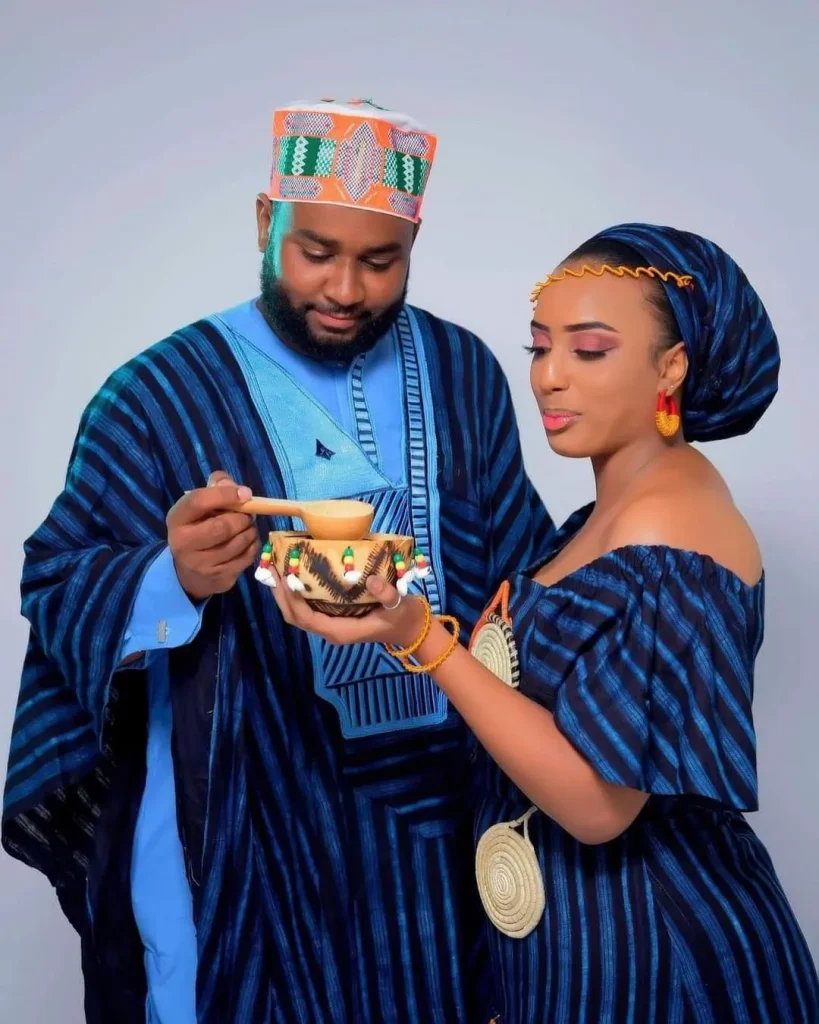
The Hausa–Fulani union is one of Nigeria’s most revered inter-tribal marriages, deeply rooted in history and cultural significance. This pairing represents more than the merging of two communities—it is a celebration of longstanding traditions and the enduring bonds that have united these peoples for centuries. Both the Hausa and Fulani communities share a rich tapestry of rituals, language, and history, making their unions a harmonious blend of mutual customs and time-honored practices. This type of marriage has long been seen as a pillar of social stability in northern Nigeria, where families honor ancestral values while embracing modern ideals of mutual respect and responsibility.
Couples in Hausa–Fulani marriages often engage in elaborate traditional ceremonies that highlight the best aspects of both cultures. These weddings are characterized by vibrant music, traditional attire, and time-tested rituals that emphasize unity, faith, and family values. The cultural synergy is evident in every aspect of the celebration—from the heartfelt prayers offered during the ceremony to the festive dances that follow. Such unions not only preserve cultural heritage but also serve as living examples of how integration can lead to enriched family dynamics and communal harmony.
Moreover, the influence of Hausa–Fulani marriages extends beyond the immediate family, fostering intergenerational bonds and encouraging social cohesion. As these couples build their lives together, they create environments that are nurturing and supportive, instilling values of discipline, respect, and spirituality in their children. This union is a model for those who seek a marriage that honors both tradition and progress, a union where cultural differences are celebrated as strengths. For example, Tuface and Annie.
2. Yoruba–Igbo Marriage
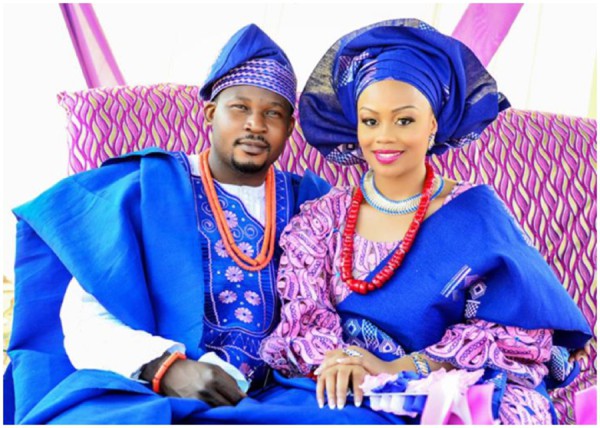
The union between the Yoruba and Igbo communities is celebrated as one of the greatest inter-tribal marriages in Nigeria, uniting two of the nation’s most dynamic cultural groups. This pairing embodies a remarkable synthesis of traditions from the southwestern and southeastern regions, where the Yoruba’s expressive artistry and the Igbo’s entrepreneurial spirit converge to create households rich in creativity and resilience. Marriages between these groups have gained widespread admiration for their ability to merge contrasting customs into a shared narrative of progress and mutual respect.
Yoruba–Igbo marriages are marked by a delicate balance of compromise and cultural pride. Couples often celebrate their union with ceremonies that blend vibrant Yoruba festivals with the industrious and community-oriented customs of the Igbo. The resulting celebrations are filled with colorful attire, soulful music, and heartfelt rituals that reflect both heritage and modern aspirations. Such unions are a testament to the fact that when distinct cultures come together, the resulting family can harness the strengths of both worlds—yielding a resilient, forward-looking household that is admired throughout Nigeria.
These marriages are more than just unions between individuals; they are powerful symbols of national unity that challenge longstanding prejudices and open up new possibilities for cross-cultural dialogue. By breaking down ethnic barriers, Yoruba–Igbo marriages pave the way for an environment where respect, understanding, and collaboration become the norm. They inspire countless Nigerians to pursue relationships that transcend traditional boundaries and foster a more integrated society.
The Hausa–Yoruba marriage stands as a testament to Nigeria’s ability to bridge regional differences and build families that are enriched by diverse cultural influences. Representing the northern traditions of the Hausa and the southwestern vibrancy of the Yoruba, these unions create a melting pot of values, customs, and worldviews. Despite the contrasting cultural backgrounds, couples in Hausa–Yoruba marriages work to blend the structured, conservative traditions of the Hausa with the expressive, dynamic customs of the Yoruba, crafting a unique familial identity that celebrates both heritage and modernity.
In these unions, the fusion of cultural practices leads to innovative family rituals that honor the customs of both tribes. From traditional ceremonies that incorporate Hausa prayers and Yoruba dance to everyday practices that emphasize mutual respect and community spirit, every aspect of these marriages is infused with a deep sense of purpose and unity. The ability to merge different ways of life not only enriches the couple’s personal experience but also contributes significantly to societal progress, setting a precedent for future generations. The union of diverse traditions in a Hausa–Yoruba marriage creates a strong foundation for building resilient and forward-thinking families.
Furthermore, Hausa–Yoruba marriages play a vital role in dispelling stereotypes and promoting national cohesion. They demonstrate that cultural differences, when embraced, can lead to creative solutions, stronger bonds, and a more inclusive society. These unions inspire many to look beyond historical divides and consider partnerships based on shared values and mutual growth. The success of such marriages underscores the potential for unity in diversity and serves as a beacon of hope for a harmonious Nigeria.
4. Yoruba–Edo Marriage
Yoruba–Edo marriages are celebrated as one of the leading inter-tribal unions in Nigeria, symbolizing a unique blend of cultural refinement and historical depth. The Yoruba, known for their artistic flair and rich traditions, and the Edo, recognized for their regal heritage and storied past, come together in a union that exudes both elegance and profound cultural significance. This partnership unites the creative expressions of the Yoruba with the dignified customs of the Edo, resulting in a marriage that is both visually stunning and deeply meaningful.
The wedding ceremonies in Yoruba–Edo marriages are marked by a fusion of elaborate rituals that honor both traditions. These events often feature an array of cultural performances, traditional music, and a display of attire that reflects the distinct styles of both communities. The celebrations are designed to highlight the best attributes of each culture, ensuring that every participant experiences the rich heritage and time-honored values of both the Yoruba and Edo peoples. Such marriages are widely regarded as the finest examples of cultural integration in Nigeria, promoting a sense of unity that is both inspiring and forward-thinking.
In addition to the grandeur of the ceremonies, Yoruba–Edo marriages play a significant role in promoting intercultural dialogue and mutual respect. These unions encourage couples and their families to blend different social practices and traditions, creating a cohesive identity that celebrates diversity. This approach not only enriches the family dynamic but also sets a powerful example for society at large.
5. Igbo–Urhobo Marriage
The Igbo–Urhobo union is one of Nigeria’s premier inter-tribal marriages, celebrated for its vibrant integration of cultures and shared values. Representing the enterprising spirit of the Igbo and the rich cultural heritage of the Urhobo from the Niger Delta, these marriages are highly regarded for their ability to foster both economic and social growth. The partnership between the Igbo and Urhobo is characterized by a fusion of innovative ideas and traditional practices, creating a household that is both forward-looking and deeply rooted in cultural pride.
In Igbo–Urhobo marriages, families enjoy a unique blend of customs, where the dynamic entrepreneurial drive of the Igbo meets the communal and celebratory traditions of the Urhobo. These unions are celebrated through ceremonies that emphasize the importance of family, community, and cultural preservation. They often include elaborate rituals, communal feasts, and interactive ceremonies that bring together relatives from both sides, reinforcing the idea that unity and shared heritage are the building blocks of a prosperous society.
Moreover, Igbo–Urhobo marriages are instrumental in breaking down barriers and building bridges between diverse communities. They illustrate how the blending of traditions can lead to stronger familial bonds and enhanced social integration. By merging different cultural perspectives, these unions serve as a powerful reminder that love and mutual respect are the ultimate forces behind societal progress.
Other inter-tribal unions also play a significant role in the Nigerian cultural landscape. Marriages such as Yoruba–Ijaw, Igbo–Tiv, Hausa–Tiv, Efik-Ibibio, Yoruba–Itsekiri, Igbo–Idoma, Igbo–Efik/Akwa Ibom, Yoruba–Fulan, Tiv–Igala, and Hausa–Idoma contribute to the rich tapestry of Nigerian society by fostering intercultural dialogue and nurturing a spirit of unity that is essential for national progress.
Personal Narratives and Success Stories
The personal stories of couples in inter-tribal marriages serve as inspiring testaments to the transformative power of love and mutual respect. Many Nigerian couples who have embraced multicultural unions recount their journeys as filled with both challenges and triumphs. Their narratives reveal how blending different cultural heritages can lead to a deeper understanding of oneself and a more enriching family life. These success stories are a beacon of hope for those considering similar paths and offer practical insights into overcoming obstacles and celebrating differences.
Couples often describe the initial hurdles they encountered, such as reconciling differing cultural expectations and addressing familial reservations. Yet, through perseverance and open communication, these couples manage to create harmonious households that honor both traditions. Their experiences illustrate that the journey to unity is as rewarding as it is challenging. They emphasize that love, coupled with a willingness to learn and adapt, can bridge even the widest cultural divides.
These personal narratives not only provide comfort and guidance to others in similar situations but also serve to educate society about the benefits of cultural integration. The wisdom gleaned from these journeys highlights essential qualities such as empathy, patience, and resilience, which are fundamental to sustaining any relationship. In sharing their experiences, these couples become ambassadors of unity and catalysts for change, inspiring a broader acceptance of inter-tribal marriages throughout Nigeria.
The Role of Media and Popular Culture
Media and popular culture have become instrumental in shaping perceptions about inter-tribal marriages in Nigeria. Television dramas, films, and social media narratives frequently showcase successful multicultural unions, thereby reinforcing the idea that love transcends ethnic boundaries. This constant exposure helps to normalize inter-tribal marriages, encouraging more Nigerians to embrace the prospect of a partnership that bridges diverse cultural backgrounds.
Influential personalities and celebrities who advocate for multicultural relationships serve as powerful role models for younger generations. Their public endorsements and personal success stories have a ripple effect, inspiring countless individuals to consider inter-tribal unions as both viable and desirable. As the media continues to highlight these positive narratives, public attitudes are gradually shifting toward greater acceptance and celebration of cultural diversity.
The dynamic interplay between media representation and societal values not only promotes awareness but also fosters a spirit of unity that is essential for national progress. By challenging old prejudices and celebrating the richness of Nigeria’s cultural mosaic, the media is playing a critical role in building a more harmonious society.
.
Conclusion
Inter-tribal marriages in Nigeria stand as powerful symbols of unity, progress, and shared heritage. The unions between Hausa–Fulani, Yoruba–Igbo, Hausa–Yoruba, Yoruba–Edo, and Igbo–Urhobo couples illustrate how diverse cultures can come together to create resilient families that honor tradition while embracing modern values. These marriages foster an environment of mutual respect, creativity, and cultural exchange, paving the way for a more inclusive and unified Nigeria.
Looking ahead, the influence of inter-tribal unions will continue to grow, inspiring future generations to build families that reflect the nation’s pluralistic spirit. As Nigerians increasingly embrace multicultural partnerships, the resulting legacy of diversity and integration will contribute to a robust, harmonious society. By celebrating these unions, Nigeria reaffirms its commitment to unity, progress, and the enduring power of love.